


Introduction to Tanker Truck Driving Careers
As the logistics and transportation sector continues to expand, the demand for tanker truck drivers is surging like never before. This growth is fueled by an increase in the transportation of essential liquids including fuel, chemicals, and water. In 2023, industries rely heavily on tanker truck drivers to ensure that these critical materials reach their destinations safely and efficiently. With this rising demand comes the potential for lucrative earnings, making a career as a tanker truck driver not only rewarding but also financially advantageous. The job market is becoming increasingly favorable for these drivers, with competitive salaries that reflect the vital role they play in the economy. Business owners seeking reliable transport solutions are also keenly aware of the essential services offered by tanker truck drivers, as they contribute greatly to logistical efficiency and operational success. If you’re considering a career in this field, it’s essential to understand the earning potential and the growing market dynamics that could shape your future in the trucking industry.
“Tanker truck drivers are vital to the economy, transporting essential goods like fuel and hazardous materials. Their earnings reflect the responsibility they carry, typically ranging from $60,000 to $80,000 per year, depending on experience and the type of materials transported.”
This blockquote emphasizes both the significance of the profession and gives a general idea of the earnings. You may want to use relevant links, such as fuel tank truck essential business operations to support the economic impact of the trucking industry in the full article context.
Factors Influencing Earnings of Tanker Truck Drivers
When considering how much tanker truck drivers can make, several key factors come into play that significantly influence their earnings. Business owners looking to hire or invest in tanker truck operations should understand these variables to make informed decisions.
-
Experience Level: Experienced tanker truck drivers usually command higher wages because they have proven skills in handling hazardous materials safely and efficiently. Seniority and a clean driving record can also lead to premium pay.
-
Geographical Location: Earnings vary widely depending on the region. Drivers working in areas with higher demand for tanker services, like industrial or oil-rich regions, typically enjoy better compensation compared to rural or low-demand areas.
-
Type of Cargo: The nature of the cargo carried greatly affects pay. Transporting highly hazardous or specialized materials such as chemicals, fuel, or LPG requires special endorsements and training, which often result in higher wages.
-
Company Size and Type: Larger companies or specialized tanker service providers often offer better pay and benefits than smaller firms. Corporate clients or government contracts can also drive higher earnings for drivers associated with those companies.
-
Certifications and Endorsements: Additional licenses like HazMat endorsements, tank vehicle endorsements, or tanker endorsements can qualify drivers for higher-paying jobs due to the increased responsibility and skill.
-
Vehicle Type and Condition: The kind of tanker truck and its maintenance status can influence operational efficiency and safety, indirectly impacting driver compensation through bonuses or incentives.
-
Work Hours and Routes: Long-haul routes, irregular hours, and overtime can boost overall earnings. Drivers willing to take on night shifts or extended trips often see increased pay.
-
Union Membership: Unionized drivers may benefit from negotiated wages and better employment terms.
Understanding these factors can help business owners estimate realistic earnings and create competitive compensation packages for tanker truck drivers. For a deeper look into tanker trucks and their operational aspects, you can visit this tank truck reliable versatile solution for bulk liquid transportation article.
In conclusion, tanker truck drivers’ earnings are multidimensional, influenced by qualifications, cargo types, and company profiles among others, making it essential for stakeholders to evaluate each factor carefully for optimal business results.
Word Count: 253
Tanker truck driving offers a promising career path, especially for those looking for high job stability and the potential for a lucrative income. However, the average earnings of tanker truck drivers can vary significantly based on geographic location, with different states presenting diverse salary landscapes.
National Overview
As of 2023, the average salary for tanker truck drivers across the United States ranges between $60,000 and $80,000 annually. Factors influencing these figures include local demand for drivers, cost of living, and the types of goods transported.
Regional Salary Breakdown
- West Coast (California, Washington, Oregon):
- Average Salary: $70,000 – $80,000
- The West Coast, particularly California, tends to offer higher salaries due to the higher cost of living and stringent regulations regarding fuel and hazardous material transport.
- Northeast (New York, New Jersey, Pennsylvania):
- Average Salary: $65,000 – $75,000
- The Northeast might not have as many tanker truck jobs compared to the West, but the salaries remain competitive, driven by the high demand in urban centers.
- Midwest (Illinois, Ohio, Michigan):
- Average Salary: $50,000 – $70,000
- The Midwest typically offers lower salaries compared to the coasts, but the commodity transport needs keep the demand steady for drivers throughout the region.
- South (Texas, Florida, Georgia):
- Average Salary: $55,000 – $70,000
- The South presents a mixed picture with varying demands, particularly in Texas, where oil and gas transport drives a higher concentration of jobs and thus better earnings.
- Mountain States (Colorado, Utah, Nevada):
- Average Salary: $55,000 – $65,000
- Drivers in these states may find fewer opportunities, but those who are navigating remote areas can also benefit from additional compensation.
Fluctuations in Earnings
The earnings for tanker truck drivers can fluctuate for several reasons:
- Cost of Living Adjustments: As mentioned, areas with high living costs typically compensate drivers more generously.
- Experience and Certifications: Drivers with specialized skills or certifications in hazardous materials (HAZMAT) often command higher salaries.
- Demand for Transportation: The trucking industry’s health, influenced by economic factors and shipping demand, can also cause salary changes.
Conclusion
For business owners looking to hire tanker truck drivers, understanding these regional variations and the factors affecting salaries is crucial for competitive recruitment. As you evaluate logistics and operational costs, consider the balance between driver compensation and the overall profit margins in the tanker transportation sector. For more insights on the reliability and versatility of tank trucks, check this article.
In conclusion, as the demand for tanker truck drivers continues to grow, staying informed about the salary landscape will aid both drivers and employers in navigating this essential industry effectively.
Average Salary of Tanker Truck Drivers by Region
Understanding the salary potential for tanker truck drivers is crucial for business owners and operators in the industry. As salaries can vary significantly based on region, this bar chart presents a visual comparison of average salaries across different parts of the United States.
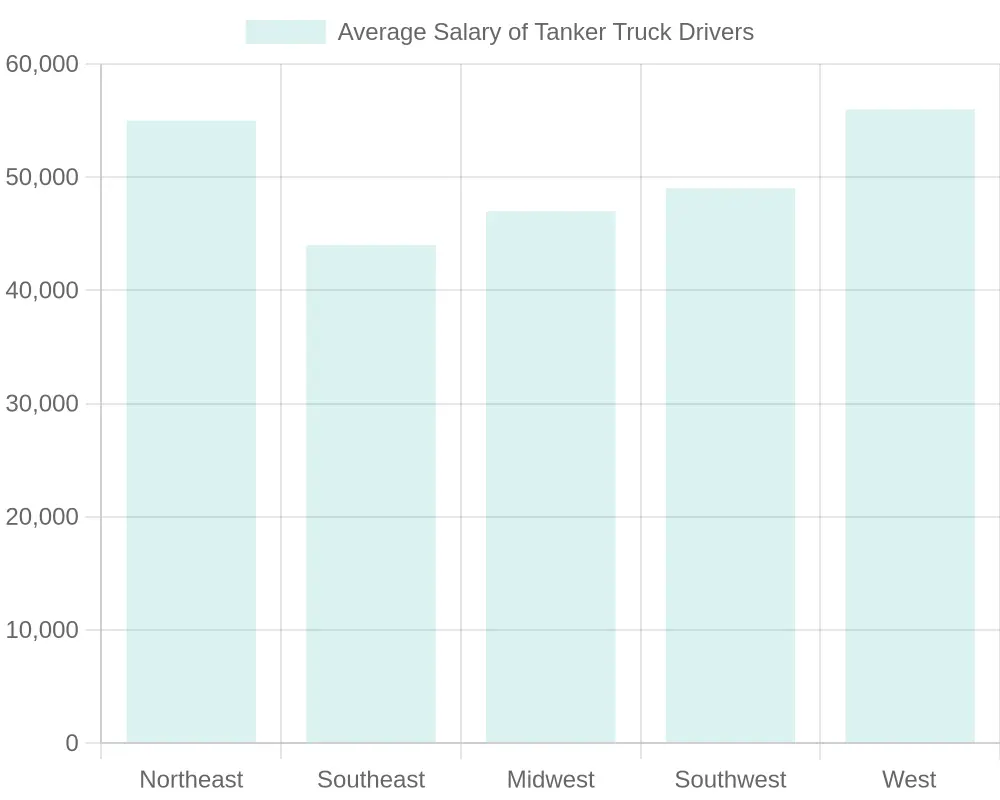
Regional Salary Overview
| Region | Average Salary |
|---|---|
| Northeast | $55,000 |
| Southeast | $44,000 |
| Midwest | $47,000 |
| Southwest | $49,000 |
| West | $56,000 |
These figures illustrate how factors such as demand, cost of living, and regional economic conditions influence tanker truck driver earnings. For more insights into the logistics and functionalities of tank trucks, check out our article on the versatility of tank trucks for bulk transportation.
Job satisfaction plays a crucial role in the retention and performance of tanker truck drivers. Given the demanding nature of their work, several factors influence how satisfied drivers are with their jobs, including pay, work-life balance, and job security.
Current Satisfaction Statistics
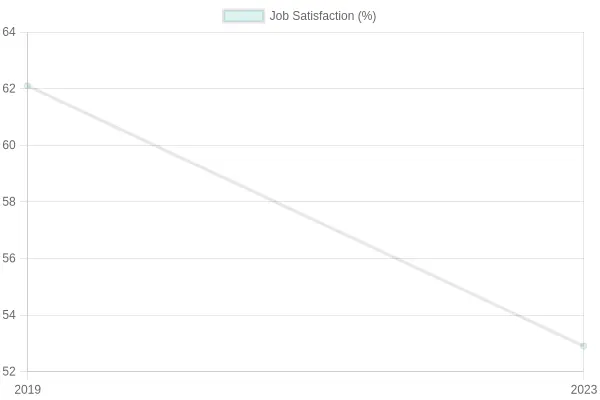
Recent studies indicate a troubling decline in job satisfaction among truck drivers, including those operating tanker trucks. A survey from early 2023 revealed that only 51% of drivers reported satisfaction with their jobs, a decrease from 54% in 2019, highlighting ongoing economic pressures and the impact of rising fuel costs on their overall happiness (FleetOwner). Moreover, the overall satisfaction rate plummeted from 62.1% in 2019 to 52.9% in 2023 (PR Newswire).
This decline reflects a significant concern that many drivers face regarding their working environment, which can often lead to high turnover rates within the industry.
Factors Influencing Job Satisfaction
-
Pay: Tanker truck drivers typically earn between $50,000 and $80,000 annually, depending on various factors like experience and the specific products transported. Competitive pay is often a primary motivator for drivers and can significantly affect their job satisfaction.
-
Work-Life Balance: The nature of tanker trucking often requires long hours and extended time away from home, making achieving a satisfactory work-life balance challenging. Many drivers express the need for roles that allow more flexible working conditions to better manage personal commitments.
-
Job Security: Many drivers report a lack of job security due to potential economic fluctuations in the transportation industry. The perception of safety in their employment directly correlates with their job satisfaction.
The combination of these factors underlines the importance of addressing the challenges faced by tanker truck drivers. Business owners in the transportation sector must consider these elements to improve driver retention and satisfaction. By creating a positive work environment and ensuring competitive compensation, companies can foster loyalty and enhance productivity.
For more insights into how tank trucks can serve as a reliable and versatile solution for bulk liquid transportation, learn more here.
By recognizing and responding to the needs of tanker truck drivers, businesses can work toward improving overall industry satisfaction and reducing turnover, ultimately benefiting both the drivers and the organizations employing them.
Industry Growth of the Tanker Truck Driving Sector
The tanker truck driving industry has experienced significant growth in recent years, driven by increased demand across various sectors, including fuel and chemical transportation. The global tanker truck market, valued at approximately USD 131.6 billion in 2023, is projected to grow at a Compound Annual Growth Rate (CAGR) of 4.7% from 2024 to 2032. This growth is primarily attributed to rising demands for petroleum products and chemicals in response to recovering economies post-pandemic.
Rising Demand for Drivers
One of the notable aspects of this growth is the increasing demand for qualified tanker truck drivers. In the U.S. alone, the market for truck driving jobs is expected to grow by 6% from 2023 to 2030, according to projections. This demand for drivers is essential as industries rely heavily on timely delivery and transportation logistics. The shortage of qualified drivers is a known concern across the trucking industry, which has been compounded by external factors such as labor shortages and changing regulations.
Potential Earnings
For business owners considering entering or expanding in the tanker truck industry, understanding earnings potential is crucial. Entry-level tanker truck drivers can expect to earn approximately $55,000 to $70,000 annually, with experienced drivers making significantly more, depending on location, company, and load types. Those driving specialized tanks for hazardous materials or chemicals can see even higher salaries due to the increased skills and risks associated with these loads.
Earnings Breakdown by Experience:
| Experience Level | Average Annual Salary |
|---|---|
| Entry-level | $55,000 – $70,000 |
| 1-3 Years of Experience | $70,000 – $90,000 |
| 3+ Years of Experience | $90,000 – $120,000 |
It’s evident that the opportunities in the tanker truck driving industry are robust, with increasing demand leading to better compensation over time. As the sector continues to grow, businesses can capitalize on this trend by investing in training for drivers and expanding fleet capabilities to meet market needs.
Conclusion
The tanker truck driving industry is positioned for growth, fueled by rising demands for transportation of critical goods and bolstered by attractive earnings potential for drivers. Both new and existing business owners should consider entering or expanding their presence in this sector now, as the demand for skilled drivers is expected to continue rising. For more insights into the essential operations in this industry, check out this article on tanker trucks as reliable solutions for bulk liquid transportation and learn more about the fuel tank trucks’ importance in business operations.
Charts Illustrating Industry Trends

Projected Global Tanker Truck Market Size Growth
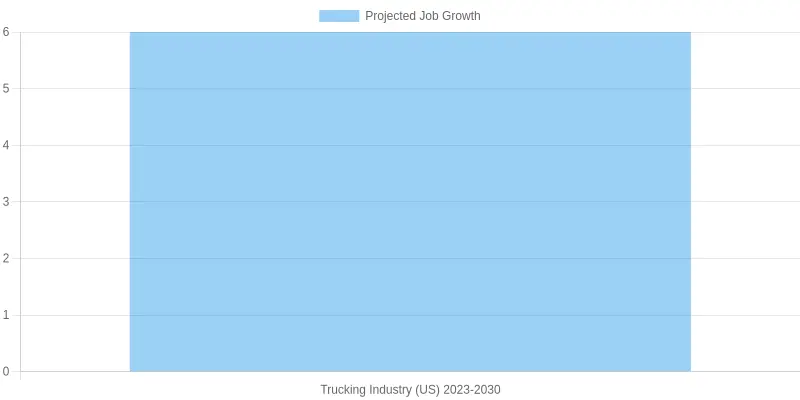
Projected Job Growth in the Trucking Industry (US) 2023-2030
The tanker truck industry is shaping up to be an even more essential cog in the supply chain machinery in the coming years. Engaging with this market at this juncture can unlock numerous growth opportunities.
In conclusion, driving a tanker truck presents a lucrative opportunity for business owners, especially those looking to expand their logistics and transportation services. By understanding the various factors such as the type of liquid being transported, regulatory requirements, and earning potential, one can gauge the significant profits associated with tanker trucking. With the demand for reliable and efficient transportation solutions on the rise, now is the ideal time to consider venturing into this field. We encourage you to explore more about the versatility of tank trucks and the potential earnings that come with this line of work. If you are ready to take the next step and want to discover further opportunities in tanker trucking, please contact us at Tanker Vehicles to discuss how we can assist you in achieving your business goals related to tanker trucking.
FAQ about Becoming a Tanker Truck Driver
What are the requirements to become a tanker truck driver?
To become a tanker truck driver, candidates typically need to meet the following requirements:
- Commercial Driver’s License (CDL): A specific CDL endorsement for tanker vehicles is required.
- Age Requirement: Generally, drivers must be at least 21 years old to drive across state lines.
- Hazardous Materials Endorsement: If transporting hazardous materials, additional certification is needed.
- Driving Experience: Some employers may require prior driving experience or completion of a truck driving school.
- Health Requirements: A DOT (Department of Transportation) medical exam may be necessary.
- Background Check: A clean driving record and background check are typically required by employers.
What is the potential earnings of tanker truck drivers?
Tanker truck drivers can expect to earn a competitive salary, with averages generally ranging from:
- $60,000 to $80,000 annually.
- Experienced drivers or those working for specialized companies can make over $100,000 per year.
Factors influencing earnings include: - Experience: More seasoned drivers tend to earn higher wages.
- Location: Earnings may vary significantly by region.
- Type of Cargo: Drivers transporting hazardous materials often receive higher compensation due to the risks involved.
- Company Size: Larger firms may offer better pay and benefits compared to small businesses.
Is there job security for tanker truck drivers?
Job security for tanker truck drivers can be influenced by several factors:
- Industry Demand: The ongoing growth in e-commerce and transportation needs helps maintain steady demand for tanker drivers.
- Regulatory Challenges: Compliance with safety and environmental regulations can impact employment policies and job stability.
- Economic Fluctuations: Economic downturns can affect job availability in the industry, though a driver shortage is currently easing opportunities.
- Technological Advances: Automation in the shipping industry could potentially disrupt job opportunities, although it may also create efficiencies that benefit job security for skilled drivers.
Overall, while there are risks associated with external factors, the steady demand for tanker truck drivers contributes to a stable employment outlook. For further insights into the trucking industry, you can learn more about tank trucks as a reliable solution for bulk liquid transportation and explore the costs related to septic tank trucks that are part of this vital sector.