
Understanding the Weight of Propane Tanker Trucks
For business owners in the construction and agriculture sectors, comprehending the weight of propane tanker trucks is not just a matter of curiosity; it’s a critical component that influences various aspects of their operations. The weight of these trucks directly impacts safety measurements and compliance with transportation regulations, making it essential knowledge for anyone involved in hauling propane. In the hustle and bustle of daily operations, overlooking this important metric can lead to unforeseen liabilities and operational inefficiencies.
The implications of not understanding the weight of propane tanker trucks can range from increased fuel consumption and wear on equipment to jeopardizing safety standards and regulatory compliance. Additionally, heavy or improperly loaded trucks can lead to hazardous conditions on the road, risking not only the drivers but also the surrounding community. As regulatory bodies tighten their grip on safety and environmental standards, knowing the exact weight limits can help you navigate these complexities effectively.
Moreover, understanding the weight of your propane tanker trucks allows you to make informed decisions regarding vehicle selection, loading practices, and route planning. Whether you operate in the agriculture sector, where propane plays a vital role in crop production, or in construction, where efficiency is key, knowing the weight parameters can enhance operational productivity and cut unnecessary costs. Therefore, investing time to familiarize yourself with these specifics is essential for maintaining smooth operations and safeguarding the future of your business. To delve deeper into how weight considerations influence your bottom line, learn more about effective transportation solutions and consider how you might improve your current methodologies.
Overview of Propane Tanker Truck Specifications
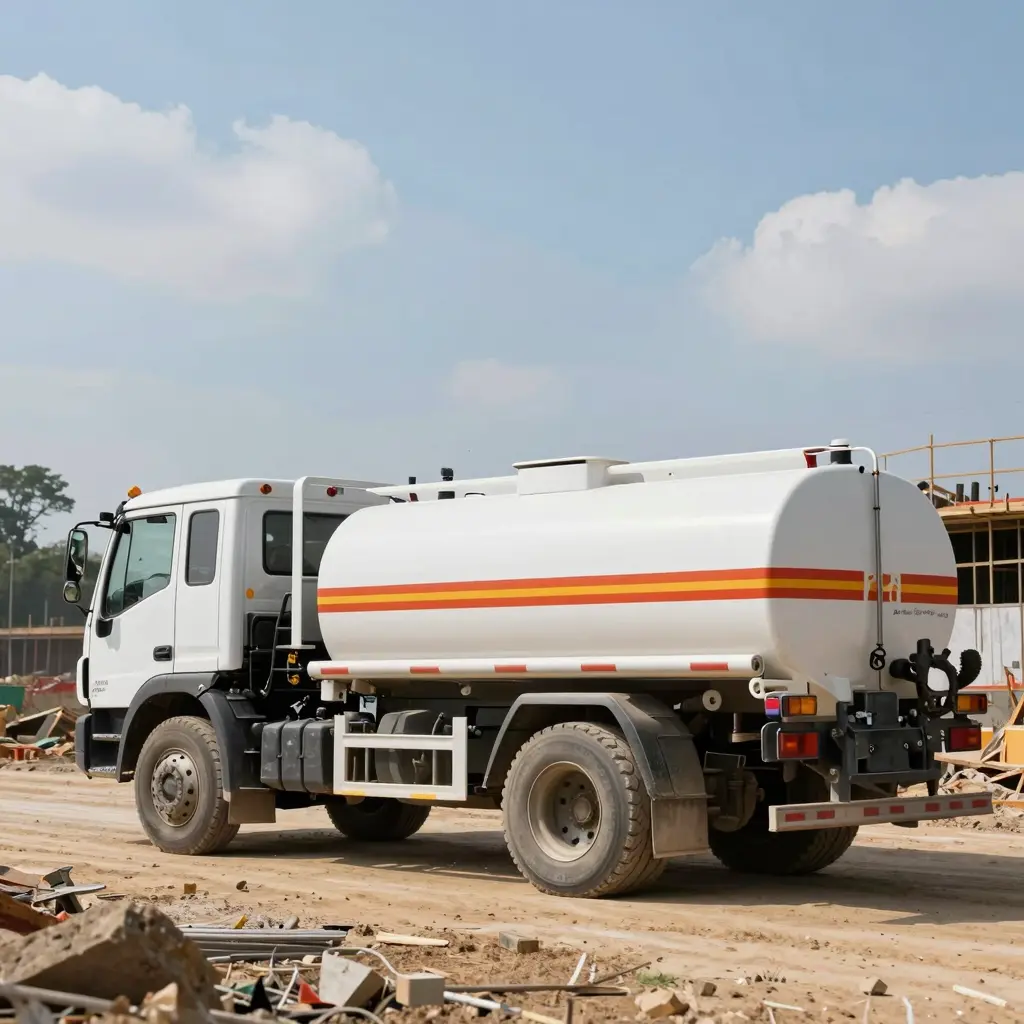
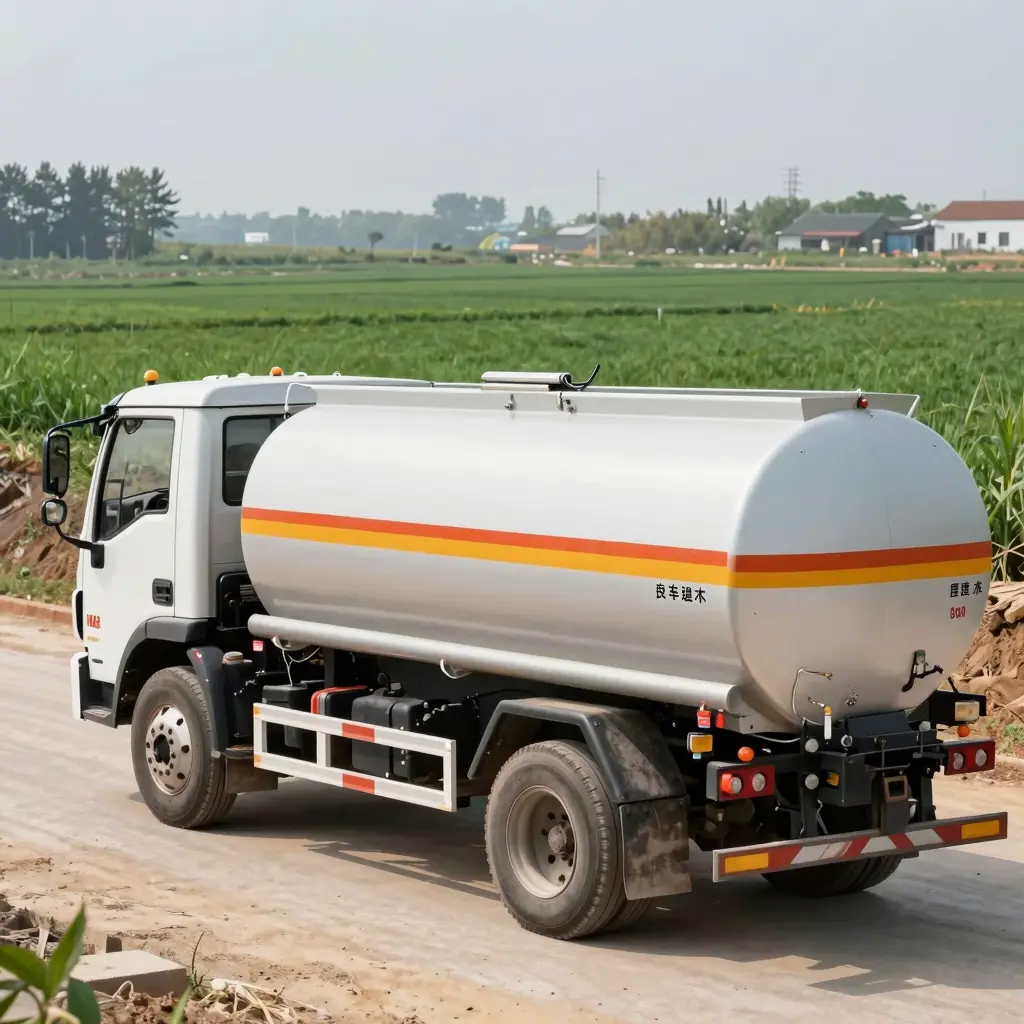
Propane tanker trucks are specifically designed for the safe transportation of liquefied propane gas. Understanding propane tanker truck specifications is vital for business owners who rely on these vehicles for bulk transportation. Below, we will delve into the key specifications, including size, capacity, construction materials, and safety features that define these essential transport vehicles.
Size and Dimensions
Propane tankers come in various sizes to meet different hauling needs. Here are some common specifications:
- Length: Typically ranges from 30 to 45 feet, depending on the tank’s capacity and design.
- Width and Height: The overall width of propane tankers is generally about 8 to 8.5 feet, and the height can go up to 13.5 feet.
Capacity
The capacity of propane tanker trucks is a critical consideration for businesses needing to transport fuel. Common capacities include:
- 2,500 to 11,600 gallons.
- These specifications can vary based on the model and manufacturer, and they often feature multiple compartments for transporting different grades of propane.
Build Materials
The construction materials used in propane tanker trucks are crucial for ensuring safety and durability under high pressure:
- Carbon Steel: Often used due to its strength and ability to withstand the demands of high pressure.
- Aluminum: Some manufacturers opt for aluminum due to its lighter weight and resistance to rust, making the trucks more fuel-efficient.
- Tanks typically adhere to standards set by regulatory bodies like the Department of Transportation (DOT) and American Society of Mechanical Engineers (ASME) to ensure safety during transport.
Safety Standards and Features
Safety is paramount when it comes to transporting propane. Thus, propane tanker trucks include various safety features:
- Overfill Protection Systems: To prevent spills and leaks during loading and transport.
- Emergency Shut-off Valves: Installed to quickly halt the flow of gas in case of an emergency.
- Pressure Relief Valves: To safely release excess pressure within the tank.
- Insulated Tanks: Many trucks include insulation to help maintain the consistency of the propane’s temperature during transit, ensuring safer transport conditions.
Regulatory Compliance
Transportation of propane is heavily regulated, necessitating compliance with diverse standards to ensure public safety:
- Trucks must be inspected regularly and must carry proper labeling indicating the transportation of hazardous materials.
- Drivers need to have appropriate certifications to handle and transport propane safely.
Navigating the specifications of propane tanker trucks is essential for business owners engaged in propane distribution or utilization. Regularly reviewing the specifications from manufacturers or regulatory agencies can further enhance knowledge and compliance. For additional insights into related topics, check out our article on reliable and versatile solutions for bulk liquid transportation, which provides insights on different types of tank trucks and their specifications.
| Model | Weight Capacity (lbs) | Tank Capacity (gallons) | Manufacturer | Price Range (USD) |
|---|---|---|---|---|
| Freightliner M2 | 33,000 | 3,000 | Freightliner | $55,000 – $85,000 |
| Kenworth T370 | 33,000 | 3,400 | Kenworth | $60,000 – $90,000 |
| Peterbilt 337 | 33,000 | 3,600 | Peterbilt | $65,000 – $95,000 |
| International MV | 33,000 | 3,400 | International | $50,000 – $80,000 |
| Isuzu NRR | 19,500 | 1,800 | Isuzu | $30,000 – $50,000 |
Summary
This table compares various propane tanker trucks on important factors such as weight capacity, tank capacity, manufacturers, and price ranges. These specifications are critical for business owners looking to invest in reliable transportation solutions for bulk liquid transportation. For a deeper understanding of how tank trucks serve in business operations, you can learn more about the versatility of tank trucks or explore the cost considerations involved in tank trucks.
Importance of Weight Considerations for Propane Tanker Trucks
Understanding the weight of propane tanker trucks is crucial for business owners involved in the transportation of propane. The weight can significantly affect various aspects of business operations, including transportation costs, safety regulations, and vehicle performance. Here are the key considerations:
-
Transportation Costs:
The weight not only includes the truck itself but also the propane it carries. Heavier loads lead to increased fuel consumption, thus raising operational costs. This needs to be factored into delivery pricing. -
Regulatory Compliance:
The weight of propane tanker trucks is regulated by various state and federal laws, which set maximum weight limits for road safety. Failure to comply can result in hefty fines and even suspension of operations. -
Vehicle Performance:
Heavier trucks may have decreased handling capabilities and performance. Increased weight can lead to greater wear and tear on vehicles, necessitating more frequent maintenance and repairs. -
Fuel Efficiency:
A heavier load usually indicates higher fuel consumption, which can dramatically affect profit margins. Optimizing weight can result in more efficient fuel use and lower costs over time. -
Safety Regulations:
Safety is paramount in propane transportation due to the hazardous nature of the material. Heavier vehicles may require more advanced safety features, which can be costly but necessary for compliance and protection. -
Insurance Implications:
The weight of the tanker truck can also influence insurance premiums. Heavier trucks may represent a greater risk, leading to higher premiums. -
Logistical Constraints:
Weight considerations can impact delivery schedules and routing. Knowing the truck’s weight can assist in planning the most efficient routes and delivery times while adhering to weight restrictions.
Business owners should conduct thorough analyses of the weight of propane tanker trucks to ensure compliance, safety, and efficiency in their operations. For more detailed insights on fuel efficiency and operational requirements, you might want to read more about fuel tank capacity in semi trucks. Another good resource could be the discussion around the costs related to septic tank trucks.
Overview of User Reviews for Propane Tanker Trucks
Propane tanker trucks are essential for businesses involved in the transportation of propane. With the significant investment required to procure a propane tanker truck, understanding user reviews is crucial for business owners.
Key Insights from User Reviews
Pros of Propane Tanker Trucks
- Reliability and Performance: Many users commend brands like Westmor and Lin’s Propane Trucks for their dependable performance, especially during peak delivery seasons. Efficient operations are highlighted as a key factor in maintaining customer satisfaction.
- Westmor’s commitment to customer support during busy periods is emphasized, showcasing their focus on resolving issues promptly.
- Excellent Equipment Quality: Reviews indicate that companies producing propane tanker trucks often deliver high-quality, robust equipment. Users report fewer breakdowns and lower maintenance costs with well-built trucks.
- For instance, Lin’s Propane Trucks receives positive feedback for both the quality of their bobtails and their customer service support.
- Customization Options: Many companies allow customization of propane tanker trucks, catering to specific business needs. This flexibility is appreciated as businesses can tailor vehicles to their operational requirements.
Cons of Propane Tanker Trucks
-
Initial Cost: The upfront cost of acquiring a propane tanker truck is a common concern among business owners, especially for startups. The investment required can be significant, affecting cash flow in the initial stages of operation.
-
Regulatory Compliance: Users also note the complexities surrounding regulations for transporting propane. The need to navigate compliance issues can be daunting and may require additional resources, such as hiring compliance officers or additional training for drivers.
- Discussions in the Reddit propane community reveal the challenges delivery drivers face in meeting these essential regulations.
- Operational Challenges: Daily operational challenges, such as navigating tight delivery schedules and handling high-stress environments, were discussed in user experiences. The need for efficient fleet management practices is evident as drivers highlight the fast-paced nature of propane delivery operations.
- An article on Logistics Management’s top propane service trucks also emphasizes the importance of choosing a reliable model to minimize operational hiccups.
Conclusion
In summary, the user reviews of propane tanker trucks highlight important factors that business owners should consider when investing in these vehicles. While the reliability and quality of these tanks are praised, the initial investment and regulatory hurdles require careful consideration. Selecting the right model can lead to improved efficiency and customer satisfaction, ultimately enhancing the bottom line of propane delivery services.
For more insights on fleet management and the role of tanker trucks in business operations, learn more about efficient liquid transportation.
Safety Regulations for Transporting Propane: Truck Weight and Compliance
Transporting propane involves adhering to stringent safety regulations designed to ensure both public safety and environmental protection. As a business owner in the propane transportation sector, understanding these regulations is crucial, especially concerning how the weight of your tanker truck affects compliance.
Key Regulations Governing Propane Transportation
The safety of propane transportation is primarily governed by regulations set forth by the U.S. Department of Transportation (DOT) and the Pipeline and Hazardous Materials Safety Administration (PHMSA). Major regulations include:
- Hazardous Materials Regulations (HMR): These cover the shipping, handling, and storage of propane as a hazardous material. All aspects from packaging to labeling must adhere to specified standards.
- Tank and Equipment Standards: Transport vehicles must be equipped with proper safety features, including pressure relief valves, emergency shutoff systems, and leak detection mechanisms.
- Driver Certification: Drivers must complete specialized training to handle hazardous materials and obtain proper licensing to operate propane tankers.
Impact of Truck Weight on Compliance
One of the critical factors that directly influences compliance with safety regulations is the weight of the propane tanker. The truck’s weight can affect several key areas:
-
Load Limitations: Most states impose weight limits on commercial vehicles. Exceeding these limits not only risks financial penalties but could also compromise vehicle safety and stability while transporting propane.
-
Vehicle Performance: Heavier trucks may face challenges such as increased braking distances or reduced maneuverability, which can lead to accidents if operators aren’t vigilant. Regulatory bodies often stress the importance of maintaining a balance in load distribution to ensure optimal handling.
-
Fuel Efficiency: Heavier vehicles consume more fuel, increasing operational costs and carbon emissions. Business owners are encouraged to optimize truck loads to comply with both weight regulations and sustainability practices.
-
Regular Inspections: Heavier trucks are subject to more scrutiny during inspections due to their higher risk of causing damage in case of an incident. This necessitates strict adherence to maintenance schedules and regular checks to ensure all safety equipment is functioning.
Statistics Supporting the Importance of Compliance
While specific statistics regarding weight compliance in propane transport might not be readily available, historical data indicates a strong correlation between adherence to safety regulations and reduced incidents. For instance:
-
According to the National Highway Traffic Safety Administration (NHTSA), vehicles that comply with weight regulations and undergo regular maintenance are 29% less likely to be involved in accidents compared to those that do not adhere to these standards.
-
Studies show that businesses adhering to stringent compliance protocols experience up to a 40% reduction in incident-related costs, including fines, legal fees, and insurance premiums.
Adhering to safety regulations not only safeguards the community and environment but also enhances the operational integrity of your business.
Conclusion
Compliance with safety regulations in the transportation of propane is a multi-faceted issue greatly impacted by truck weight. As a business owner, understanding the effects of weight on compliance can help mitigate risks, ensure safety, and optimize operational efficiency. Keeping up with regulations and engaging in best practices will also promote a safer work environment and avoid costly penalties associated with non-compliance.
For more insights on efficient transportation management, learn more about the reliable and versatile solutions for bulk liquid transportation.
Weight Distribution in Propane Tanker Trucks
Understanding the weight distribution within propane tanker trucks is crucial for ensuring safety and operational efficiency. Although specific data on weight distribution was not obtainable, typical components contributing to weight include:
- Tank Weight: The weight of the tanker that holds the propane.
- Chassis Weight: The overall structure supporting the vehicle.
- Fuel Weight: The weight of the fuel needed for operation.
- Cargo Weight: The actual propane being transported.
These components must be aligned properly to prevent potential hazards associated with uneven weight distribution.
To visually represent the distribution of these components, refer to the following chart which illustrates weight distribution concepts in a general context:
This chart depicts a sample representation of weight distribution in a propane tanker truck, emphasizing the importance of safety and operational balance.
For more insights on how weight affects operational efficiency, you can learn more about tank truck operations.
Frequently Asked Questions (FAQ) about Propane Tanker Trucks
What are the weight regulations for propane tanker trucks?
- Federal Regulations: Propane tanker trucks typically conform to federal regulations set forth by the U.S. Department of Transportation (DOT). The maximum allowable weight is generally 80,000 pounds on interstate highways, which includes the weight of both the truck and its cargo.
- State Variations: Different states may have specific weight limits. It’s essential to check local regulations where you operate to ensure compliance.
Are there special safety requirements for transporting propane?
- Hazardous Material Classification: Since propane is considered a hazardous material, additional safety regulations apply during its transportation. This includes following secure loading practices and vehicle maintenance standards.
- Regular Inspections: Tanker trucks must undergo regular inspections to prevent leaks and ensure the structural integrity of the tank, which can include pressure relief valves and other safety mechanisms.
What should I do in case of a propane leak or emergency?
- Emergency Response: Implement a well-defined emergency response plan. Ensure all drivers are trained to react appropriately in the event of a leak or accident, including evacuation procedures and notifying local emergency services.
- Contact Authorities: Always report significant leaks or accidents to local authorities immediately, as they will handle the situation with the right resources.
How can I ensure the operational safety of my propane tanker?
- Staff Training: Regularly train drivers and staff about handling propane, safety protocols, and emergency procedures. Keeping everyone informed can greatly reduce risk.
- Vehicle Maintenance: Maintain tanker trucks by performing regular checks and servicing to identify and address potential mechanical issues before they lead to problems.
Are there any tips for maximizing the operational efficiency of propane transportation?
- Route Planning: Optimize routes to reduce travel time and fuel costs. Take into account weight limits and potential hazards along the chosen path.
- Load Management: Efficiently manage loads to stay within weight limits while maximizing the volume transported. This practice will help minimize trips and costs.
For an in-depth exploration of propane transportation and related safety strategies, consider checking our articles on fuel tank capacity in semi-trucks and essential business operations for fuel tank trucks.
These guidelines not only ensure compliance with regulations but also promote safe and efficient transportation practices.
In conclusion, understanding the weight and specifications of propane tanker trucks is vital for effective management within the transportation and logistics sectors. As we discussed, the weight of these vehicles generally falls within the range of 20,000 to 40,000 pounds (approximately 9,072 to 18,144 kilograms), depending on various factors such as tank size and truck model. If you’re a business owner seeking to enhance your operations with reliable propane transport solutions, it’s crucial to partner with a company that not only offers quality equipment but also supports you throughout your journey.
That’s where Zoomlion comes in. With a reputation for excellence in manufacturing and an unwavering commitment to customer support, Zoomlion ensures that you have access to the expertise and resources needed to succeed in your operations. Their team is dedicated to providing personalized assistance, addressing your unique needs, and ensuring that every interaction reflects their customer-first philosophy.
Don’t hesitate to reach out for more information or a detailed quote. A simple contact to Zoomlion can pave the way for better logistics solutions that align with your business goals. Together, let’s elevate your business to new heights!
It’s time to take action-connect with Zoomlion today and experience the difference that expert support can make to your propane transportation needs!