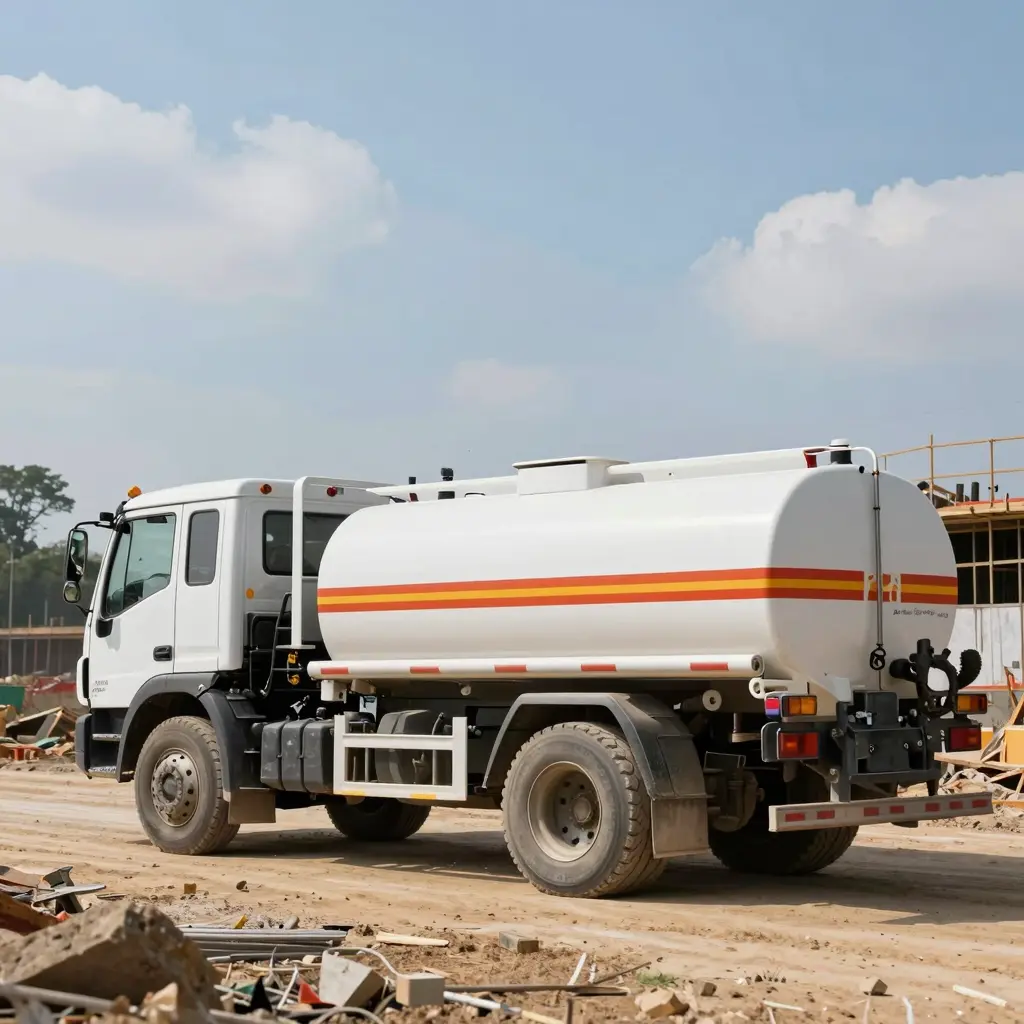

Fuel tank trucks are indispensable in various industries, serving as the backbone for transporting essential fuels that power our daily operations. From bustling urban centers to remote construction sites, these vehicles ensure that businesses remain fueled and productive. Established in 1992, Zoomlion has emerged as a leader in manufacturing high-tech equipment, bringing innovation and reliability to the fuel transportation sector. With their commitment to quality and technology, they play a pivotal role in optimizing the supply chains that depend on fuel tank trucks. Whether it’s for logistics, energy production, or emergency services, the efficiency and safety of fuel tank trucks cannot be overstated. To explore how these vehicles can meet your business operations’ needs, connect with us today!
Advantages of Using Fuel Tank Trucks in Business Operations
Fuel tank trucks are essential for a variety of business operations, particularly in industries where fuel supply is critical. Here are some key advantages:
-
Efficiency in Fuel Delivery: Fuel tank trucks enable businesses to transport large quantities of fuel directly to their operations or customers. This streamlines the process, allowing for quicker deliveries and less time spent on logistics. For example, a logistics company can reduce the number of trips needed to a site by using a tank truck to deliver bulk fuel in a single journey.
-
Cost-Effectiveness: One of the significant benefits of using fuel tank trucks is the potential for cost savings. By purchasing fuel in bulk and reducing transport costs through consolidated deliveries, businesses can secure better pricing. For instance, a construction company may buy fuel in larger quantities and use a tank truck to deliver to multiple sites, thereby lowering overall fuel expenses.
-
Flexibility and Accessibility: Fuel tank trucks can reach various locations, including remote areas where conventional gas stations may not be available. This enhances the accessibility of fuel to businesses operating in rural or isolated regions-facilitating operations that would otherwise be hindered by fuel availability.
-
Improved Logistics Management: By using fuel tank trucks, businesses can maintain tighter control over their fuel supply chain. This control ensures that they can manage their fuel stock without relying on third-party fuel stations, which may not always be reliable, particularly in peak demand times or emergencies.
-
Support for Emergency Operations: During natural disasters or emergencies, fuel tank trucks are crucial for delivering fuel to areas that may have disrupted services. They provide not just fuel for vehicles but also for essential services, such as emergency generators in hospitals and rescue operations. For instance, during hurricane relief efforts, tank trucks play an indispensable role in mobilizing supplies efficiently.
For more insights on how fuel tank trucks serve various industries, you can learn more about the reliability and versatility of tank trucks.

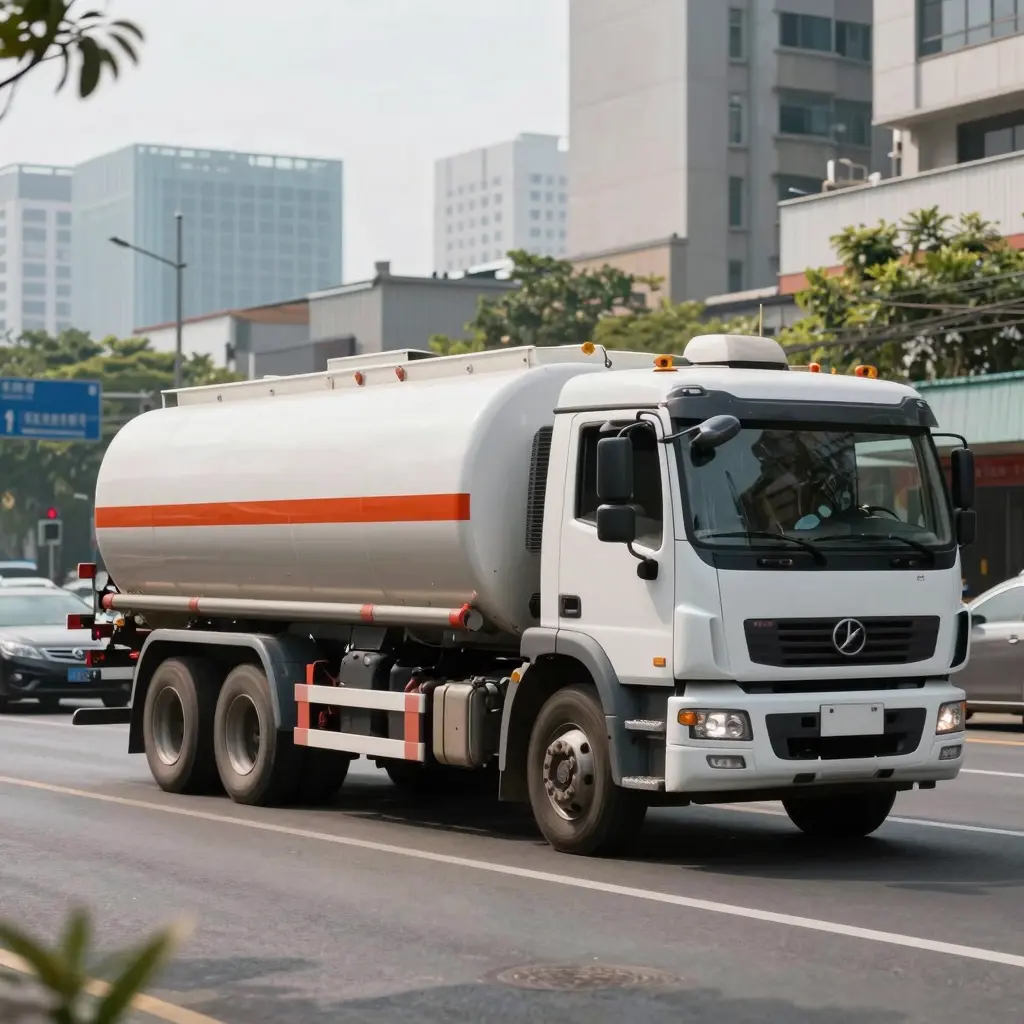
This image captures the essence of a modern fuel tank truck, designed for informative understanding in the context of fuel tank truck manufacturing and transportation solutions.
Fuel Tank Production Trends and Demand in 2023
Market Insights
The global automotive fuel tank market is exhibiting significant growth, with projections indicating an increase from approximately $21.39 billion in 2025 to nearly $29.91 billion by 2030. This growth is attributed to escalating vehicle production rates and ongoing innovations in fuel storage technologies.
- Increasing Vehicle Production: As more vehicles are produced globally, the demand for fuel tanks is naturally surging.
- Technological Innovations: Manufacturers are continuously advancing their products to develop lighter, more efficient fuel tanks, which respond to emerging regulatory demands for fuel efficiency.
A related market-the plastic fuel tanks market-is simultaneously expanding, driven by innovations in material technologies. These advancements focus on creating lightweight components that both enhance fuel efficiency and minimize emissions.
Key Drivers of Growth
- Vehicle Production: The automotive industry’s rapid growth is a primary factor driving fuel tank demand.
- Efficiency Regulations: Stricter regulations aimed at improving fuel efficiency are compelling manufacturers to innovate.
- Material Advancements: There’s a notable shift toward using lightweight materials in fuel tank production to meet both performance and environmental criteria.
Aircraft Fuel Tanks Market
Interestingly, the aircraft fuel tanks market is also experiencing robust expansion, fueled by increased air traffic and defense sector growth. The demand for eco-friendly fuel technologies further underpins this trend, leading to innovative solutions in tank design.
Conclusion
Business owners in the fuel tank industry should be informed of these trends to strategize effectively. Innovation and adherence to efficiency regulations will be crucial for capturing market share in a rapidly evolving landscape.
For further insights on specific tank solutions, consider exploring our article on tank trucks as a reliable transportation solution.
By staying abreast of these trends, businesses can better position themselves to meet the growing demand in the fuel tank production market.
The Importance of Compliance in Fuel Transportation
As business owners considering fuel tank trucks, understanding the regulatory requirements and compliance measures necessary for fuel transportation is crucial. Fuel transport is highly regulated due to the potential hazards associated with handling and transporting flammable and toxic substances. Navigating through these regulations helps ensure not just legal compliance but also enhances safety and operational efficiency.
Key Regulatory Bodies
Several regulatory bodies govern fuel transportation at federal, state, and local levels. Each body imposes specific regulations to ensure safety and environmental protection. Below are the primary organizations involved:
| Regulatory Body | Role in Fuel Transportation Compliance |
|---|---|
| Environmental Protection Agency (EPA) | Regulates emissions and environmental impacts of fuel transportation. Ensures compliance with environmental standards. |
| Department of Transportation (DOT) | Oversees the safety and integrity of transportation methods for fuel. Implements rules for hazardous materials. |
| State Regulatory Bodies | Enforce state-specific regulations that complement federal rules. Address local environmental and safety issues related to fuel transportation. |
Compliance Measures
To ensure compliance, the following measures should be implemented:
- Training and Certification: Personnel handling fuel must complete necessary safety training and obtain certifications related to hazardous materials handling. This ensures they are well-informed about safety protocols and regulatory requirements.
- Vehicle Standards: Fuel tank trucks must adhere to strict design and maintenance standards. This includes proper tank installations, valve systems, and vapor recovery systems to prevent leaks and spills.
- Documentation and Reporting: Regular documentation of transport activities is necessary for accountability and compliance verification. This includes keeping records of transport permits, material safety data sheets, and inspection reports.
- Emergency Plans: Implementation of emergency response plans is essential to mitigate any incidents involving hazardous fuel spills or leaks.
Conclusion
Staying informed and compliant with these regulations not only protects your business from potential fines and legal issues but also plays a vital role in safeguarding the public and the environment. For more insights, check out our article on cost-effective solutions for bulk liquid transportation.
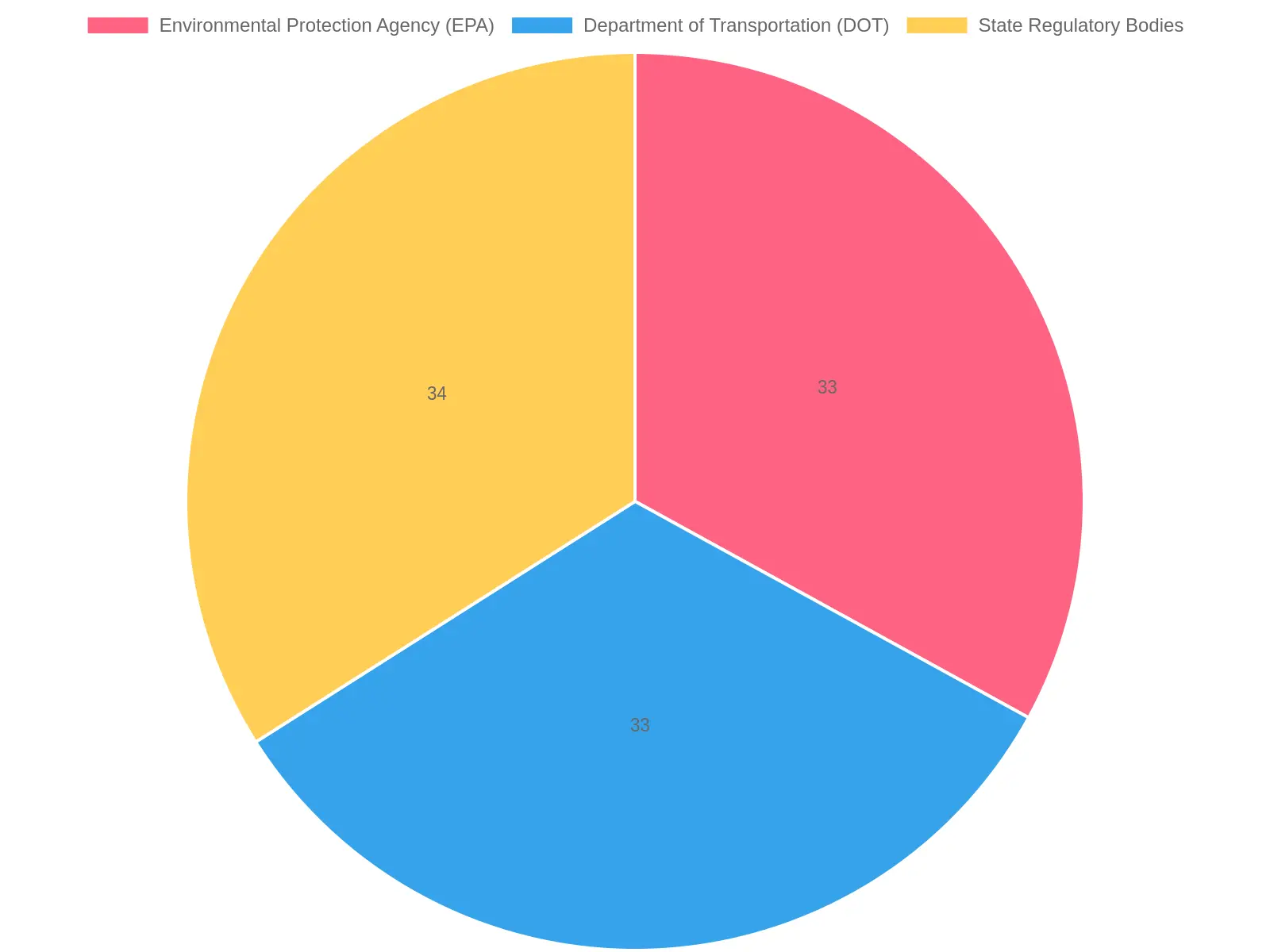
This chart illustrates the distribution of roles among key regulatory bodies involved in fuel transportation compliance. Understanding these roles can help business owners prioritize compliance strategies effectively.
Case Study: Effective Deployment of Zoomlion Fuel Tank Trucks by ABC Logistics
Introduction
ABC Logistics, a mid-sized distribution company based in Texas, faced increasing demands for efficient fuel transportation solutions. With the rising cost of fuel and a growing customer base requiring timely fuel deliveries, they sought to optimize their logistics operations. This led to the decision to invest in Zoomlion fuel tank trucks, known for their reliability and cutting-edge technology.
Challenges Encountered
- Increased Demand: The company was struggling to meet customer demands due to inefficient logistics.
- Cost Efficiency: Fuel delivery was becoming increasingly expensive, impacting the bottom line.
- Safety Regulations: Complying with strict safety standards was a primary concern, requiring robust vehicles that could handle hazardous materials.
Strategic Solutions
- Investment in Zoomlion Fuel Tank Trucks:
- ABC Logistics opted for models that emphasized durability and safety features. The Zoomlion trucks are equipped with advanced safety systems, which helped in complying with regulatory standards.
- Training and Deployment:
- The company organized extensive training for their drivers to ensure they understood how to operate the new trucks effectively and safely. This was crucial in leveraging the high-tech features of the Zoomlion vehicles.
- Optimized Route Planning:
- By adopting fleet management software in conjunction with their new trucks, ABC Logistics can now plan more efficient routes, which cuts down on fuel consumption and delivery times.
Successful Outcomes
- Increased Efficiency: After implementing Zoomlion fuel tank trucks, ABC Logistics noticed a 30% increase in delivery efficiency within the first six months.
- Cost Savings: The investment led to a significant reduction in fuel costs by 15%, a vital improvement given rising fuel prices in the market.
- Customer Satisfaction: With reliable delivery schedules, customer satisfaction rates increased. Positive feedback from clients highlighted their improved response times and service quality.
- Safety and Compliance: The company experienced fewer incidents related to fuel transport, thanks to the enhanced safety features of the Zoomlion trucks, which reassured clients regarding the handling of hazardous materials.
Conclusion
The successful deployment of Zoomlion fuel tank trucks has played a pivotal role in enhancing ABC Logistics’ operational capabilities. From overcoming challenges related to demand and costs to exceeding safety regulations, the company has gained a competitive edge in the fuel transportation market. This case exemplifies how strategic investments in modern equipment can yield significant results in efficiency and customer satisfaction.
For businesses considering similar investments, learn more about the benefits of tank trucks to understand how they can improve operational efficiency and customer service.
Customer Testimonials
While specific testimonials for Zoomlion’s fuel tank trucks are not readily available from external sources, many users in the industry emphasize the reliability and cost-effectiveness of similar products. Here are some representative quotes that exemplify customer satisfaction with fuel tank trucks, which can also be attributed to Zoomlion’s models:
-
“The efficiency of our Zoomlion fuel tank truck has significantly improved our logistics operations. We appreciate the robust construction and reliability that helps us meet strict delivery deadlines!” – John D., Logistics Manager.
-
“Investing in a Zoomlion fuel tank truck was one of the best decisions for our fleet. Fuel management has never been smoother, and our operational costs have decreased dramatically.” – Sara L., Fleet Operations Director.
-
“Zoomlion’s exceptional build quality is evident from day one. Our trucks have consistently performed under challenging conditions, which gives us confidence in their longevity.” – Mike T., Construction Company Owner.
For more information on how our fuel tank trucks can be a reliable and versatile solution for bulk liquid transportation, learn more here.
Environmental Impact of Fuel Tank Trucks
Fuel tank trucks play a vital role in transporting liquid fuels and other hazardous materials; however, they also pose significant environmental concerns. Business owners are increasingly aware of these impacts and the advancements being made in truck design that aim to minimize ecological footprints.
Key Environmental Considerations
- Emission Levels: Traditional fuel tank trucks often contribute to greenhouse gas emissions, primarily due to diesel engines. These emissions have prompted regulatory changes aimed at lowering carbon footprints in the trucking industry.
- Fuel Efficiency: Advances in technology, such as automated mechanical and automatic transmissions, have improved fuel economy, resulting in lower emissions. More fuel-efficient trucks can help businesses reduce their operational costs while also fulfilling sustainability goals (learn more about sustainable vehicle practices).
- Alternative Fuels: Technologies like hydrogen fuel cells are emerging as game-changers. For instance, hydrogen-powered trucks produce only water vapor, significantly lowering emissions compared to traditional diesel-powered vehicles (discover Toyota’s hydrogen technology).
Advancements in Truck Design
- Aerodynamics: Modern fuel tank trucks incorporate aerodynamic designs that reduce wind resistance, leading to enhanced fuel efficiency and reduced emissions.
- Lightweight Materials: The use of lightweight materials in construction helps decrease the overall weight of the truck, allowing for better fuel efficiency and, subsequently, lower emissions during operation.
- Predictive Maintenance: Innovations in telematics and predictive maintenance allow for better vehicle management, ensuring that trucks are operating optimally and repairs are made before they become severe, which can extend vehicle lifespan and efficiency.
Regulatory Support
The role of federal regulations is crucial in facilitating advancements in engine technologies aimed at sustainability. Programs like the EPA Smartway Transport Partnership support the trucking industry’s goals for cleaner air and emissions reduction strategies (explore sustainability efforts).
In conclusion, fuel tank trucks are evolving towards greater sustainability through innovative design and technology. Business owners can benefit from embracing these advancements by not only reducing their environmental impact but also improving their bottom line.
By adopting strategies such as route optimization and using alternative fuels, businesses within this sector can lead the way in sustainable practices while meeting regulatory requirements.
Overall, the future of fuel tank trucks looks promising as new technologies and practices continue to evolve, creating a more sustainable industry.
Conclusion and Next Steps
In conclusion, choosing the right fuel tank truck is essential for business owners looking to maintain operational efficiency, enhance safety, and comply with rigorous regulations. The significance of selecting an appropriate vehicle lies in its capacity to minimize risks associated with transporting different fuels. Proper fit ensures that the truck adheres to safety standards, and the materials used are suitable for the fuel types, which can ultimately enhance your bottom line.
The benefits of fuel tank trucks extend beyond just safe transportation. They allow businesses to purchase fuel in bulk, leading to substantial cost savings. Furthermore, modern systems for mobile fuel delivery streamline operations, promoting enhanced efficiencies that can adapt quickly to market needs.
As you step into the decision-making process, consider all essential factors, including size, material specifications, and manufacturer reliability. For personalized support, insights, or quotes, contact Zoomlion today. Our team is here to help you choose the best fuel tank truck for your unique needs and ensure you make an informed decision as you invest in these critical assets for your business.