
Introduction: The Role of Tanker Trucks in Industry
Tanker trucks are a critical lifeline for various industries, facilitating the safe and efficient transportation of liquids that are essential to our daily lives. From transporting fuels and chemicals to delivering food-grade liquids, these specialized vehicles ensure that the supply chain operates smoothly while adhering to stringent safety regulations. In Pennsylvania, where industrial activity thrives, the demand for reliable tanker trucks is ever-increasing. Since 1992, companies like Tanker Vehicles have built a reputation for providing high-quality tanker trucks tailored to meet the diverse needs of businesses. Their commitment to safety and efficiency not only boosts operational productivity but also supports the local economy. As you explore the options for tanker trucks for sale in PA, you’ll discover solutions that are not only reliable but also backed by decades of industry expertise. Learn more about the importance of tank trucks.
Types of Tanker Trucks Available for Sale in Pennsylvania
When it comes to purchasing tanker trucks for sale in PA, buyers will find a wide range of options tailored for various industries. The primary types of tanker trucks include fuel, water, and chemical tanks, each serving unique purposes across different sectors.
1. Fuel Tankers
Fuel tankers are perhaps the most recognized type of tanker truck. These vehicles are specifically designed to transport gasoline, diesel, and other petroleum products safely. They are commonly utilized in the retail fuel market, transporting fuel from refineries to service stations and depots. In Pennsylvania, where energy production plays a significant role in the economy, fuel tankers represent a crucial component of logistics.
2. Water Tankers
Water tankers are versatile vehicles used predominantly in the agriculture and construction industries. In agriculture, they are essential for irrigation, especially in drought-prone areas. In construction, water tankers supply water for mixing concrete and controlling dust on construction sites. Their large capacities make them ideal for delivering significant volumes of water efficiently.
3. Chemical Tankers
Designed for transporting hazardous materials, chemical tankers come equipped with safety features to prevent spills and contamination. These tankers are typically used in industries such as agriculture for transporting fertilizers and pesticides, as well as in manufacturing for transporting various industrial chemicals. The rigorous safety specifications for these vehicles ensure compliance with various state and federal regulations.
4. Food Grade Tankers
Food grade tankers are crucial in the transportation of liquid food products, such as milk, juices, or oils. They must meet strict health standards to prevent contamination and ensure food safety during transportation.
5. Vacuum Tankers
These specialized tanker trucks are indispensable in industries that deal with waste management. They are used to suck out and transport liquid waste, sludge, and other waste materials efficiently. In agriculture, they help in transporting liquid fertilizers to farms, ensuring better crop yield.
Uses Across Industries
In summary, each type of tanker truck serves vital functions across various industries:
- Agriculture: Water supply, fertilizer, and pesticide transportation.
- Construction: Dust control, water supply for concrete mixing.
- Food Production: Transportation of liquid food items.
Whether you are a farmer, construction manager, or in charge of logistics for a chemical company, understanding the types of tanker trucks available ensures you choose the right vehicle for your needs. For more information on reliable tanker solutions, you can learn more about the benefits of tanker trucks.
Visual Representation
To help visualize the distribution of tanker truck types, see the chart below:

This chart illustrates the various types of tanker trucks and their applications, further emphasizing their importance in the agricultural and construction industries.
| Type of Tanker Truck | Capacity Range | Key Features | Common Usage Scenarios |
|---|---|---|---|
| Fuel Tanker | 1,000 – 12,000 gallons | Stainless steel or aluminum construction, multi-compartment designs for different fuel types, safety valves and baffles to minimize sloshing. | Transporting various types of fuels including gasoline, diesel, and jet fuel to gas stations, farms or construction sites. |
| Water Tanker | 1,500 – 7,000 gallons | Stainless steel or aluminum, often equipped with pumps for distribution, oversized hoses. | Supplying water for construction sites, firefighting, agriculture, and municipal services. |
| Chemical Tanker | Variable, often 5,000 – 10,000 gallons | Corrosion-resistant materials, safety features according to cargo type, often specialized for hazardous materials. | Transporting chemicals for industrial use, agriculture, and laboratories. |
Usage Insights
Understanding the different tanker truck types can help business owners determine the right vehicle for their operations. For instance, a fuel tank truck is essential for companies relying on quick fuel deliveries, while water tank trucks can be critical for those in construction or farming operations. To learn more about specific aspects of tanker trucks and their benefits, visit our blog on tank trucks as a reliable solution and top fuel tank manufacturers.
The Benefits of Owning a Tanker Truck for Business Owners
Owning a tanker truck presents numerous advantages for business owners, particularly those who deal in liquid products such as fuel, chemicals, or beverages. Understanding these benefits is crucial for making an informed decision about whether investing in a tanker truck aligns with your business goals. Here’s a closer look at the key benefits:
1. Cost-Effectiveness
Investing in a tanker truck can lead to significant cost savings in the long run. Here’s how:
- Reduction in Shipping Costs: By transporting your own goods, you eliminate the expenses associated with third-party logistics, which can include shipping fees, handling charges, and additional mark-ups.
- Bulk Transport Efficiency: Tanker trucks are designed to carry substantial volumes, allowing businesses to maximize their load in each trip. This reduces the cost per unit, thereby enhancing overall profitability. Businesses can achieve better economies of scale, leading to reduced operational costs.
This aspect is crucial for industries that require large quantities of liquids, giving businesses a competitive edge in pricing.
2. Operational Efficiency
Owning a tanker truck streamlines various operational aspects, contributing to enhanced efficiency:
- Enhanced Control: Having your own vehicle means you can dictate your transport schedule, adjust routes as needed, and respond promptly to customer needs without relying on external parties. This flexibility is vital in industries where time is of the essence.
- Optimized Logistics: An owned tanker truck allows for better management of logistics. You can adapt to fluctuating market demands and ensure timely deliveries, which help maintain a positive customer relationship.
For more insights, learn more about how tanker trucks provide a reliable solution for bulk liquid transportation.
3. Safety Features
Tanker trucks are often equipped with advanced safety features that protect both the product being transported and public safety:
- Regulatory Compliance: These trucks are built to meet stringent safety and environmental regulations, which can protect your business from costly liabilities associated with accidents and spills. By investing in a well-maintained tanker truck, businesses can mitigate the risks associated with transporting hazardous materials.
- Advanced Safety Technologies: Many modern tanker trucks come with safety enhancements, such as anti-lock braking systems, high-visibility tankers, and spill containment systems. These features not only protect your investment but also ensure the safety of your drivers and the general public.
Conclusion
For business owners involved in the transportation of liquid goods, owning a tanker truck is not just a matter of convenience; it is an essential tool for achieving profitability, operational efficiency, and safety. The initial investment can pave the way for long-term savings, enhanced control over logistics, and the ability to meet market demands swiftly. With the transportation sector continuously evolving, having your own tanker truck may be the competitive advantage your business needs.
Explore more about how owning a tanker truck can impact your operations with our insights on fuel tank capacity in semi-trucks.

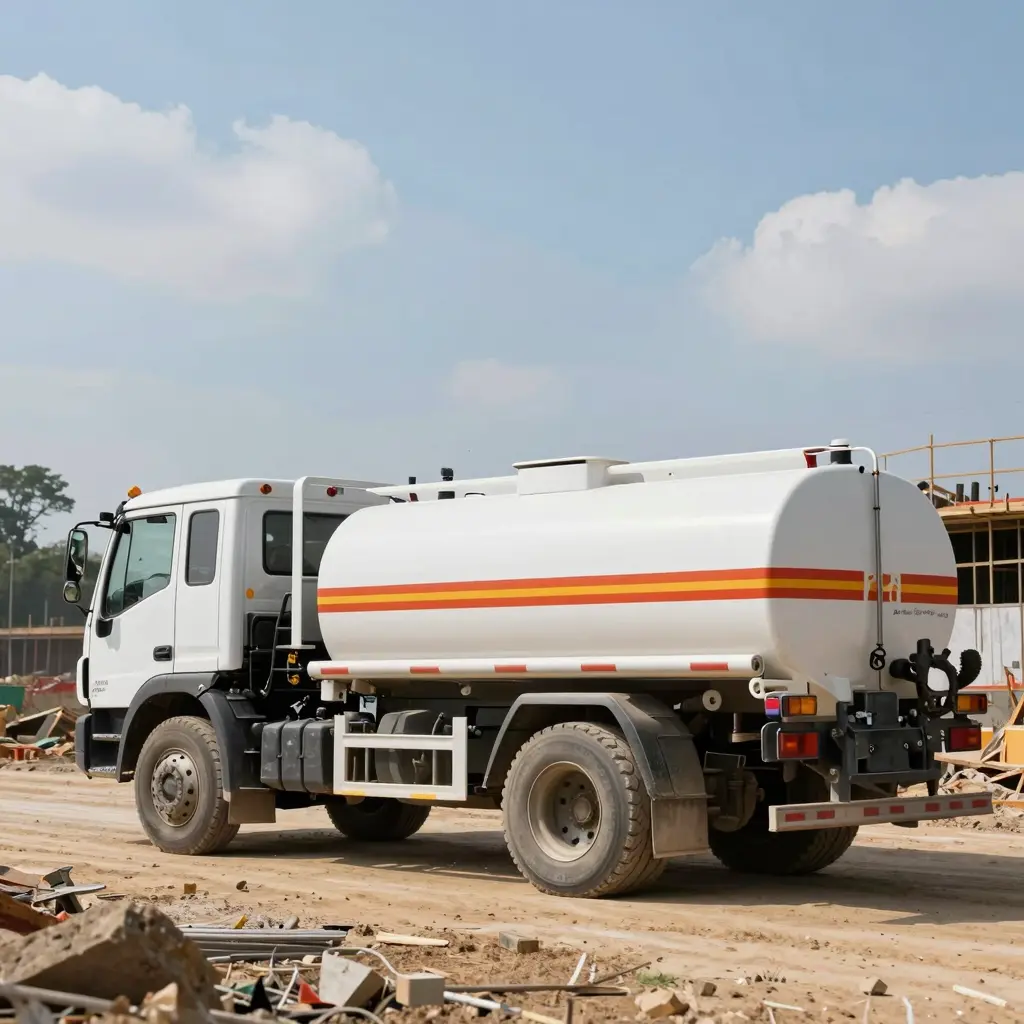
This image showcases a tanker truck transporting fuel or water, illustrating its vital role in bulk liquid transportation. For more insights on the importance of tanker trucks in various industries, you can learn more about the reliable and versatile solutions that these vehicles provide to business owners and fleet managers.
When considering the purchase of tanker trucks, potential buyers often review several critical factors, including performance, safety features, reliability, and overall value for money. Below is a summary of positive and negative insights about tanker trucks, reflecting the general sentiment from user feedback.
Positive Insights
- Performance: Many users appreciate the robust performance of tanker trucks, noting their ability to handle heavy loads effectively on both highways and rural roads. Trucks equipped with advanced engines provide better fuel efficiency and power, enhancing their operational capabilities.
- Safety Features: Users often highlight safety features such as anti-lock brake systems, collision warning systems, and reinforced tank designs that minimize the risk of leaks or ruptures. The presence of these features increases user confidence when transporting hazardous or bulk liquids.
- Versatility: Tanker trucks are versatile and can be used for various hauling purposes – from transporting fuel to water or chemicals, making them a reliable solution for businesses with diverse needs. Learn more about the versatility of tank trucks.
- Durability: Many users report high durability and less frequent need for major repairs, which translates to lower maintenance costs over the lifespan of the vehicle.
Negative Insights
- Initial Cost: One common concern among users is the high initial purchase price of new tanker trucks. While they believe in the long-term value, the upfront costs can be a barrier for smaller businesses.
- Fuel Consumption: Some users have reported that while newer models are more fuel-efficient, older trucks may have higher consumption rates than expected, leading to increased operational costs.
- Maneuverability: Users operating in urban settings sometimes find tanker trucks cumbersome, particularly when navigating tight spaces or winding roads. This can hinder operational efficiency in certain environments.
- Availability of Parts: Occasionally, users experience challenges sourcing parts for repairs, especially for less common models. This can lead to extended downtimes if repairs are needed.
Conclusion
Overall, while tanker trucks offer significant advantages in terms of performance and safety, potential buyers should weigh these against the initial investment and operational challenges. A thorough consideration of specific model reviews and regional availability, particularly within Pennsylvania, can inform better purchasing decisions.
For those considering the acquisition of tanker trucks, it is essential to explore all available options and match vehicle specifications to operational needs. Ensuring that the chosen vehicle meets safety and performance standards will lead to better long-term results for your business. For further details on the costs and specifications, you may want to check out the cost associated with septic tank trucks.
Financing Options for Purchasing Tanker Trucks in Pennsylvania
For business owners looking to acquire tanker trucks in Pennsylvania, understanding the financing landscape is crucial. There are various options available, ranging from traditional loans to innovative leasing arrangements, each with its own advantages. Here’s a detailed overview of the financing options available:
Loan Options
-
Local Banks and Credit Unions: Many community banks and credit unions in Pennsylvania offer loans specifically for commercial vehicles, including tanker trucks. These institutions often have competitive interest rates and terms tailored to the needs of local businesses. It’s advisable to shop around to compare offers and find the best loan terms.
-
Equipment Financing Companies: Specialized lenders focus on financing heavy equipment and vehicles. They may offer terms that accommodate the specific requirements and cash flows of trucking companies. Working with a lender experienced in the trucking industry can facilitate the approval process.
-
Manufacturer Financing Programs: Some tanker truck manufacturers provide in-house financing options or have partnerships with local banks. These programs may offer promotional rates or flexible payment plans, making it easier for businesses to purchase new trucks.
-
Small Business Administration (SBA) Loans: The SBA provides various loan programs (such as the 7(a) loan program) that can be used for purchasing commercial vehicles. These loans often feature lower down payments and longer repayment terms, which can alleviate the financial burden on small businesses.
Leasing Options
Leasing can be a favorable alternative to buying a tanker truck outright. Here are benefits associated with leasing:
- Lower Monthly Payments: Leasing agreements typically require lower monthly payments compared to traditional loans.
- Frequent Upgrades: Leasing allows businesses to upgrade to newer truck models more frequently, ensuring they stay competitive and compliant with new regulations.
- Tax Advantages: Lease payments may be fully deductible as a business expense, potentially providing tax benefits.
Incentives and Other Financial Support
While specific incentives may vary, businesses considering purchasing tanker trucks in Pennsylvania can explore:
- Tax Incentives: Pennsylvania offers various tax exemptions for certain commercial vehicles based on their use. It’s vital to check current regulations, as these can change frequently.
- State Grants or Rebates: Programs may assist businesses investing in environmentally friendly vehicles, providing rebates or grants. More details can usually be found on official Pennsylvania government websites.
- Consultation with Local Dealers: Local truck dealerships often have insights into financial incentives and support programs from manufacturers that can make purchasing more attractive.
In summary, Pennsylvania offers a range of financing options for purchasing tanker trucks, including traditional loans, equipment financing, and leasing arrangements. Additionally, exploring available tax incentives and grants can provide substantial financial relief for business owners. For tailored advice, consult a financial advisor or local dealerships such as Tankervehicles.com that specialize in tanker truck sales and financing.
Case Studies of Businesses Using Tanker Trucks in Pennsylvania
Tanker trucks are indispensable for many businesses as they facilitate the transportation of liquids efficiently and safely. Below, we explore two case studies showcasing how businesses in Pennsylvania have enhanced their operations and safety by investing in tanker trucks.
1. ABC Fuel Services
ABC Fuel Services, based in Harrisburg, Pennsylvania, provides fuel delivery services to residential and commercial customers. Recognizing the need for safer and more efficient delivery methods, ABC Fuel upgraded its fleet by purchasing several modern tanker trucks. Here’s how these investments improved their operations:
- Enhanced Delivery Efficiency: The new tanker trucks have a larger capacity, which significantly reduces the number of trips required to meet customer demand. Previously, drivers made several trips a day with smaller vehicles, but the tanker trucks allow for bulk deliveries, ultimately saving time and fuel costs.
- Safety Improvements: Equipped with the latest safety features such as rollover prevention systems and advanced braking technology, these trucks mitigate the risks associated with transporting flammable liquids. Employees report feeling safer on the road, and there has been a notable decrease in accident-related incidents since the fleet upgrade.
- Environmental Considerations: The modern trucks comply with new environmental regulations, reducing emissions associated with transport. This not only enhances ABC Fuel Services’ reputation as a responsible company but ensures they meet legal requirements, thus avoiding any potential fines.
These improvements have allowed ABC Fuel Services to expand its operation and service more clients promptly while prioritizing safety in all aspects of their business.
2. Keystone Chemical Company
Keystone Chemical Company, located in Pittsburgh, specializes in the distribution of various industrial chemicals. Their operations necessitated a reliable and efficient transport solution to handle hazardous materials, so they invested in specialized tanker trucks designed for chemical transport. Here’s the outcome of this significant investment:
- Operational Reliability: The addition of chemical tanker trucks has streamlined Keystone’s delivery process. These trucks are equipped with insulated and pressurized tanks, essential for maintaining the quality of sensitive materials during transport. As a result, product reliability has improved, leading to higher customer satisfaction ratings.
- Improved Safety Standards: Considering the potentially hazardous nature of the transported chemicals, the new tanker trucks come with state-of-the-art safety mechanisms to prevent leaks and spills. The driver training program has also been enhanced, emphasizing safety protocols when handling chemicals, which has fortified compliance with OSHA regulations.
- Cost-Effectiveness: Despite the higher initial investment in specialized tanker trucks, Keystone Chemical has observed significant savings in operational costs. Fewer trips are required due to larger load capacities, and reduced spill incidents mean lower cleanup costs, which ultimately boosts the company’s profitability.
These advancements have positioned Keystone Chemical Company as a leader in safe distribution practices in the chemical industry, enhancing both its brand reputation and operational efficiency.
Conclusion
Both case studies illustrate that investing in tanker trucks is a strategic move for businesses in Pennsylvania, leading to improved operations and enhanced safety measures. As the demand for liquid transportation continues to grow, ensuring that your business has the right equipment is essential for maintaining competitiveness in the market. For more insights into the benefits of tanker trucks and their role in logistics, check out this article on the versatility of tank trucks.
By understanding how other businesses have effectively utilized tanker trucks, decision-makers can better appreciate how these vehicles can transform their operations and significantly contribute to a safer transport environment.
Conclusion
In conclusion, investing in a quality tanker truck is crucial for any business operating in Pennsylvania that relies on the transportation of liquids or bulk materials. The reliability, efficiency, and safety of transportation can be directly influenced by the choice of tanker truck. A high-quality tanker truck ensures that your operations run smoothly, minimizes the risk of accidents, and maintains compliance with local regulations.
Businesses can benefit significantly from a well-maintained tanker truck fleet, which not only enhances their operational capabilities but also contributes to customer satisfaction through timely deliveries. From transporting fuel to delivering water or handling hazardous materials, a robust tanker truck serves as an essential tool in any company’s logistics strategy.
When considering the purchase of a tanker truck, it’s vital to evaluate various factors, including the truck’s capacity, durability, and the reputation of the manufacturer. By selecting the right truck, business owners can optimize their transport processes while also ensuring the safety of their personnel and the environment.
To find the perfect tanker truck tailored to your business needs in Pennsylvania, contact us today for expert assistance. Our knowledgeable team is ready to guide you through the process and help you make an informed decision that will benefit your operations for years to come. Don’t miss out on the opportunities that come with investing in a quality vehicle!
Market Trends for Tanker Truck Sales in Pennsylvania
The tanker truck market has shown substantial changes over the past decade. Although specific sales data for Pennsylvania is difficult to pinpoint, we can observe trends across the broader U.S. market. A bar chart illustrating these trends shows sales from 2013 to 2023, with future projections extending to 2027:

Observations
- Despite the lack of specific data, industry trends indicate a consistent increase in the demand for tanker trucks, driven by factors such as rising freight costs, increased environmental regulations, and advancements in tank truck technology.
- Looking ahead, industry analysts predict that the demand for tanker trucks will continue to grow due to the expansion of sectors like food and beverage, chemicals, and petroleum. Business owners should consider investing in tanker vehicles to meet increasing transportation needs.
For more insights on tanker trucks and their importance in business operations, you might find this article on fuel tank trucks essential for business operations helpful. Additionally, explore our detailed analysis on the cost of septic tank trucks for understanding related expenses in transportation needs.