
In a world driven by logistics, the significance of oil tanker truck capacity cannot be underestimated, especially for business owners operating in various sectors. As the backbone of fuel transportation across the United States, these vehicles play a critical role in ensuring that businesses remain operational, efficient, and competitive. With fluctuating fuel demands, understanding the nuances of tanker capacities can lead to substantial cost savings, better resource planning, and enhanced safety measures. For many owners, the choice of tanker not only impacts logistics but also the overall sustainability of their operations. Curious about how the right oil tanker truck capacity can influence your bottom line? Exploring this essential element of logistics might be the key to unlocking new levels of efficiency and profitability in your business. Learn more about fuel tank capacity in semi trucks to understand how you can optimize your fleet for both cost and performance.
Current Statistics on Oil Tanker Truck Capacities in the U.S.
The oil tanker truck capacity in the U.S. typically ranges from 5,000 to 11,600 gallons, with most configurations falling between 7,000 and 10,000 gallons. As of 2023, there have been notable trends and observations in the industry concerning these capacities:
Key Trends and Observations:
- Stability in Capacity: Over recent years, the average capacities have remained stable, primarily due to regulatory weight limits and safety enhancements. While manufacturers continue to optimize the efficiency of their designs, an increase in the actual size of oil tanks has not been a major trend.
- Focus on Safety and Environmental Standards: The industry has shifted its focus toward developing tanks that comply with stringent safety standards and that are also more environmentally friendly. This includes better monitoring systems and safety features rather than merely increasing the size of tanks.
- Large Capacity Trucks: The utilization of larger capacity trucks allows for more efficient transportation of oil products, which is a significant advantage in terms of logistics and cost-effectiveness. However, it also brings greater responsibility regarding compliance with environmental regulations and safety protocols.
Summary of Tanker Capacities:
| Typical Configuration | Capacity Range |
|---|---|
| Standard Tanker | 7,000 – 10,000 gallons |
| Larger Tanker Options | Up to 11,600 gallons |
In conclusion, while the oil tanker truck capacities in the U.S. have not significantly increased in recent years, the industry is evolving with a clear focus on safety improvements and regulatory compliance. For business owners, understanding these trends is crucial for optimizing transportation logistics in oil distribution. To delve deeper, you can learn more about fuel tank truck operations.
Comparing Different Types of Oil Tanker Trucks in the US
When it comes to transporting oil and other fuels, different types of oil tanker trucks serve distinct purposes and capacities. Understanding these different types is crucial for business owners in the logistics and fuel distribution industries. Here’s a detailed comparison:
1. Bobtail Trucks
- Capacity: 3,000 – 5,000 gallons
- Specifications: These are straight trucks primarily designed for fuel delivery services, operating with less than 26,000 pounds GVWR (Gross Vehicle Weight Rating).
- Uses: Ideal for local fuel deliveries, including home heating oil and filling stations.
2. Semi-Trailer Trucks
- Capacity: 5,000 – 11,600 gallons
- Specifications: These comprise a tractor unit coupled with a semi-trailer, collectively capable of handling significant payloads, often reaching 80,000 pounds or more.
- Uses: Perfect for longer hauls transporting gasoline, diesel, and other liquid fuels over highways, making them widely used in large trucking fleets.
3. Tank Trailers
- Capacity: 5,000 – 7,500 gallons (depending on configuration)
- Specifications: Designed specifically for various liquids including crude oil, these trailers provide versatility in transportation needs. They often come equipped with features for maintaining product integrity and preventing leaks.
- Uses: Used for transporting a range of liquid products not limited to fuel, making them adaptable for various industries.
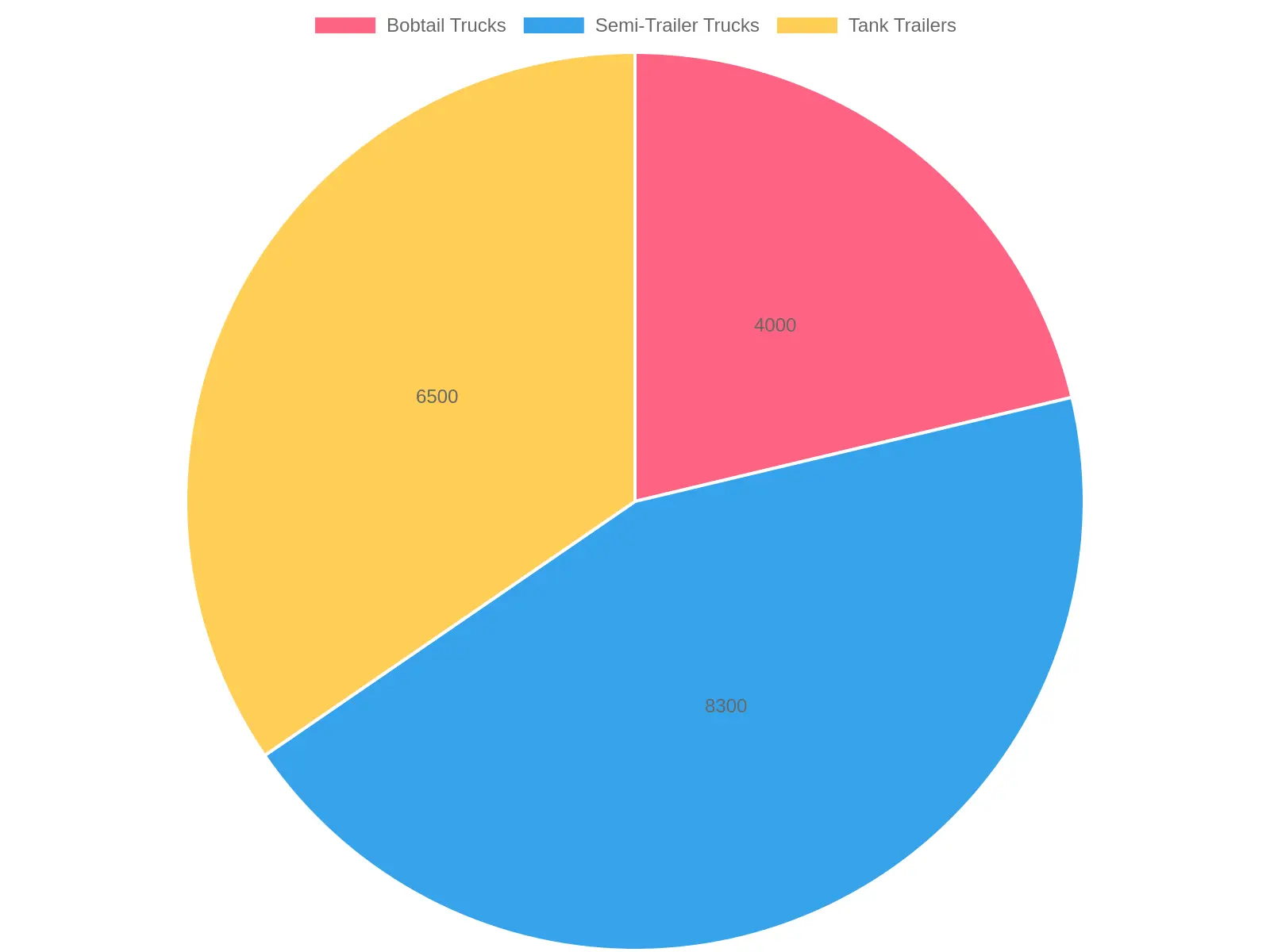
Capacity Overview
| Truck Type | Capacity Range |
|---|---|
| Bobtail Trucks | 3,000 – 5,000 gallons |
| Semi-Trailer Trucks | 5,000 – 11,600 gallons |
| Tank Trailers | 5,000 – 7,500 gallons |
Conclusion
Choosing the right type of oil tanker truck depends largely on the business model and specific transportation needs. Keeping up with capacity and specifications is crucial for effective fuel distribution operations. For more insights into how tank trucks serve as reliable transportation solutions, business owners can explore various options to enhance their logistics efficiencies and fulfill customer demands better.
Comparison of Different Oil Tanker Truck Models and Their Capacities
When considering an investment in oil tanker trucks, it’s vital for business owners to understand the different models available, their capacities, and key specifications. Below is a table comparing several oil tanker truck models based on the data gathered:
| Truck Model | Capacity (Gallons) | Number of Axles | Special Features |
|---|---|---|---|
| Freightliner Cascadia | 5,000 | 3 | High Fuel Efficiency, Comfortable |
| Kenworth T680 | 4,500 | 3 | Advanced Aerodynamics |
| Peterbilt 579 | 6,000 | 3 | Sleek Design, Powerful Options |
| Volvo VNL 760 | 5,500 | 3 | Innovative Safety Features |
| International LT Series | 7,000 | 3 | Driver Assistance Technologies |
Key Specifications of Each Model:
- Freightliner Cascadia: Known for its high fuel efficiency, this model provides a comfortable ride, making it ideal for long hauls.
- Kenworth T680: Its advanced aerodynamics help in fuel savings, making it a preferred choice for fleet owners.
- Peterbilt 579: With multiple power options available, this model stands out for its powerful performance combined with a sleek design.
- Volvo VNL 760: Offers innovative safety features, ensuring the wellbeing of drivers during transportation.
- International LT Series: Equipped with advanced driver assistance technologies, this model is designed for enhanced safety and efficiency on the road.
For more in-depth insights into tanker trucks and their applications, you can learn more about tank trucks as reliable solutions for bulk liquid transportation and explore how fuel tank capacities can impact your operations by visiting this fuel tank capacity article.
Oil tanker truck capacity plays a significant role in determining transportation costs, market accessibility, and overall business operations, particularly for those in the oil and fuel industry. Understanding these implications is crucial for business owners looking to optimize logistics and reduce expenses.
Cost Efficiency and Operational Performance
One of the primary economic implications of oil tanker truck capacity is its impact on cost efficiency. Larger tanker trucks can transport more fuel in a single trip, which leads to significant reductions in transportation costs per unit. Fixed costs associated with transportation-such as driver’s wages, fuel expenditures, and vehicle maintenance-are better absorbed when more oil is delivered per trip. This allows businesses to maintain competitive prices and manage margins effectively.
Moreover, a streamlined operational performance can be achieved through efficient route management. Businesses that invest in high-capacity trucks can optimize their delivery schedules, reducing the number of trips necessary and ensuring that fuel is provided to customers more swiftly.
Market Accessibility
The capacity of oil tanker trucks also affects market accessibility. Areas with limited infrastructure may not support the operation of larger trucks, leading businesses to rely on smaller-capacity vehicles. This limitation can restrict the delivery of oil and fuel to certain regions, leading to supply chain bottlenecks. Consequently, businesses might face challenges in meeting customer demands in areas less serviced by larger tanker trucks, thus impacting overall sales and growth potential.
Regulatory Compliance and Infrastructure
Increased capacity does not come without challenges. Businesses must ensure compliance with various regulations regarding weight limits, road safety standards, and infrastructure capabilities. Adhering to these regulations often requires significant investments in fleet management and personnel training, which can add to operational costs. Furthermore, the infrastructure needed for unloading high-capacity trucks-such as tank farms and loading docks-must be appropriately developed to support larger vehicles, potentially increasing capital expenditure for businesses.
Conclusion
In summary, oil tanker truck capacity has profound economic implications on business operations, primarily influencing transportation costs, market accessibility, and regulatory compliance. Companies that navigate these factors effectively can enhance their operational efficiency, reduce expenses, and ensure a more reliable supply chain. As the market continues to evolve, staying informed about the best practices in oil tanker capacity utilization will be pivotal for sustained success in the industry. For more insights into how fuel tank operations can affect business efficiency, learn more about efficient tank truck solutions.
Trends in Oil Transportation Capacities
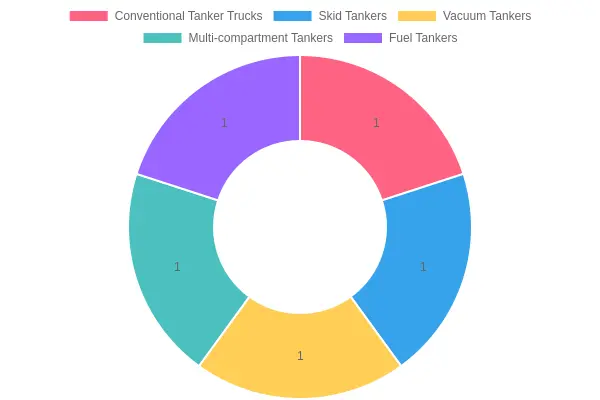
The oil transportation sector has seen various shifts and trends in the capacities of oil tankers and trucking over the years. Below is a chart visualizing the trends in oil tanker truck capacities in the U.S. over the last decade.

In summary, while specific quantitative data for each year from 2013 to 2023 was not found, it is widely recognized that the overall capacity of oil tanker trucks has been influenced by improvements in fuel efficiency, regulatory changes, and shifts towards greener technologies. Furthermore, the trend indicates a growing reliance on these vehicles for short-distance transportation, complementing pipeline systems effectively. For more insights on tank trucks as versatile solutions in bulk liquid transportation, you can learn more about tank trucks.
Conclusion
The rising trends are indicative of an evolving industry that balances efficiency, regulatory challenges, and the driving domestic market needs. Keeping informed about these changes is crucial for business owners who rely heavily on oil transportation.
Choosing the right oil tanker truck is a crucial decision for business owners involved in the transportation of liquid fuel. Here are some best practices and considerations to keep in mind:
-
Determine the Capacity: Assess your business needs and determine the appropriate capacity required for your operations. Smaller businesses might benefit from trucks with lower capacities, while larger enterprises may require bigger tanks. Understanding fuel tank capacity can help gauge the right size for efficient transport.
-
Evaluate Efficiency: Look for trucks with good fuel efficiency ratings. An efficient oil tanker truck saves on fuel costs and maximizes profit margins. Consider investing in vehicles that utilize advanced technologies to optimize performance.
-
Compliance with Regulations: Ensure that the oil tanker truck meets all local, state, and federal regulations for transporting hazardous materials. Trucks should have appropriate safety features and certifications. This is crucial to avoid legal issues and to ensure the safety of your drivers and the public.
-
Check Maintenance History: If buying used, review the truck’s maintenance history to ensure it has been properly serviced. A well-maintained truck is less likely to break down, which can save significant costs over time.
-
Consider Portability and Maneuverability: Analyze the routes your trucks will be taking. If they often travel in urban areas with tight turns, choose a truck that is known for its maneuverability.
-
Manufacturer Reputation: Research various manufacturers and opt for those with a reputation for durability and reliability in the oil tanker segment. Reading customer reviews and testimonials can provide insight into long-term performance.
-
Safety Features: Look for trucks that come equipped with the latest safety features, such as anti-rollover technology, spill containment measures, and advanced braking systems. Safety should always be a priority in your logistics operations.
-
Telematics and Monitoring Systems: Consider trucks equipped with telematics systems that allow for monitoring of fuel consumption, maintenance schedules, and driver behavior. These technologies can improve operational efficiency and reduce costs.
By adhering to these best practices, business owners can make informed decisions when selecting oil tanker trucks for their operations. For more insights on the versatility of tank trucks, learn more here.
These practical guidelines not only enhance operational efficiency but also contribute to compliance and safety in the transportation of oil and fuels.
When it comes to oil transportation, selecting the right oil tanker and its capacity is vital for business success. The right choice can significantly impact operational efficiency, cost management, and safety compliance.
“Choosing the appropriate oil tanker not only ensures that you meet customer demands efficiently but also maximizes your profit margins.”
This sentiment resonates across the industry as the size and capacity of oil tankers directly affect operational logistics. Insufficient capacity can lead to multiple trips, increasing transportation costs and delivery times, while excessively large tankers can result in underutilization and waste.
Key Considerations for Business Owners
- Capacity Needs: Assess your typical volume of oil to determine the appropriate tanker size.
- Operational Efficiency: Strive for a balance between capacity and transportation frequency to optimize logistics.
- Regulatory Compliance: Ensure that your selected tanker complies with safety and environmental regulations, particularly in handling hazardous materials.
For those looking to delve deeper into the nuances of tanker logistics, learn more about the versatile solutions of tank trucks which are crucial for bulk liquid transportation.
Effective oil transportation can be the difference between success and failure in this sector, so be sure to consider your options carefully.
Conclusion and Call to Action
In conclusion, understanding the oil tanker truck capacity in the U.S. is essential for business owners seeking to optimize their transportation of liquid goods. The capacity directly influences logistical strategy, costs, and the efficiency of operations. Moreover, companies need reliable partners to facilitate this crucial aspect of their supply chain. With a rich expertise in heavy-duty vehicles, Zoomlion stands out as a top-tier manufacturer known for its commitment to quality and innovation in the oil transport sector. Their trucks are designed to meet the rigorous demands of transporting oil, ensuring safety and efficiency at every turn.
If you’re looking to enhance your oil transport capabilities, don’t hesitate to contact Zoomlion. Their experienced team is ready to provide tailored solutions that align with your business objectives, backed by their longstanding reputation in the industry. Let them help you make strategic investments in the right oil tanker trucks that will bolster your operations for years to come!