
In the competitive landscape of the fuel transport industry, understanding petrol tanker truck dimensions is vital for business owners who aim to optimize their operations. Knowing the exact dimensions of these vehicles not only influences transportation efficiency but also plays a crucial role in meeting safety regulations. Properly assessing the size and capacity of petrol tanker trucks ensures that businesses can maximize their deliverable loads while adhering to legal standards, thus avoiding costly fines. Additionally, optimal dimensioning can lead to better fleet management and fuel efficiency, improving overall operational productivity. Especially when considering factors like road access, storage capabilities, and varying regulatory environments, having in-depth knowledge of these specifications can significantly impact a business’s bottom line. For those seeking reliable solutions for bulk liquid transportation, exploring the intricacies of petrol tanker truck dimensions is an essential starting point. Learn more about the tank truck solutions available and how they can align with your operational goals.
Common Dimensions of Petrol Tanker Trucks
When selecting petrol tanker trucks for business operations, understanding the common dimensions and specifications is crucial. Below is a detailed list summarizing the typical measurements and capacities of standard petrol tanker trucks:
-
Length:
-
Standard lengths for articulated fuel tankers can range from 40 to 54 feet.
-
Some specialized configurations may exceed this length to accommodate additional fuel capacity.
-
Width:
-
The overall width commonly measures around 8 to 8.5 feet.
-
This is compliant with many road regulations, ensuring ease of navigation on various roads.
-
Height:
-
Heights typically fall between 10 and 13 feet, varying by the type of truck and cargo specifications.
-
Adherence to height restrictions is vital, especially when navigating under bridges.
-
Fuel Capacity:
-
Petrol tanker trucks can hold varying quantities of fuel, generally ranging between 5,000 to 45,000 liters (1,320 to 11,880 gallons).
-
It’s common for most trucks to carry between 10,000 and 20,000 liters for standard routes.
-
Weight:
-
The gross vehicle weight (GVW) can typically range from 28,000 to 80,000 pounds, depending on the truck size and fuel load.
-
Operators must ensure compliance with weight regulations to avoid penalties.
These dimensional specifications are essential for business owners to understand in order to optimize logistics and ensure compliance with transportation regulations. For more detailed information, you can learn more about tanker trucks as reliable solutions for bulk liquid transportation and about the cost and impact of fuel tank capacity.
Regulatory Compliance
Adhering to regulatory standards related to petrol tanker truck dimensions is crucial for business owners in the fuel transport industry. Compliance is not merely about following the law; it ensures safety, efficiency, and competitiveness in the market.
Importance of Compliance
Regulatory agencies, primarily the Federal Motor Carrier Safety Administration (FMCSA), set forth strict guidelines regarding the dimensions and weight of fuel tankers. For instance, the FMCSA regulates that a fuel tanker should not exceed 2.6 meters (8.5 feet) in width and 14.6 meters (48 feet) in length for a single unit. Failure to comply with these dimensions can lead to substantial penalties, including fines and potential suspension of business operations. These regulations are designed to protect not only the drivers but also other road users from the hazards posed by oversized vehicles.
Consequences of Non-Compliance
Businesses not adhering to these standards may face several ramifications:
- Financial Penalties: Non-compliance can result in fines ranging from hundreds to thousands of dollars, depending on the severity of the violations.
- Operational Delays: Oversized or non-compliant vehicles may face restrictions or be prohibited from operating in certain areas, causing delays in fuel delivery.
- Increased Insurance Costs: Insurance companies may view non-compliance as a higher risk, potentially leading to increased premiums or coverage denials.
- Damage to Reputation: Safety issues arising from overloaded or incorrectly-sized tankers can harm a company’s reputation, leading to a loss of customer trust and business opportunities.
Relevant Statistics
While specific statistics on compliance failures can be scarce, studies show that businesses often face a 15% increase in operational costs due to compliance failures, including fines and the costs associated with retrofitting vehicles to meet regulations.
Conclusion
For fuel tanker businesses, adhering to regulatory compliance regarding truck dimensions is integral to maintaining operational integrity and market competitiveness. Companies can mitigate risks by staying informed about both federal and state regulations. Always check with local transportation authorities or learn more about reliable solutions to understand the specific dimensions applicable to your operations.
Ultimately, compliance is not just a legal obligation; it is a vital aspect of running a successful and sustainable fuel transportation business.
Comparative Table of Petrol Tanker Truck Dimensions and Capacities
| Model | Length (ft) | Width (ft) | Height (ft) | Capacity (gallons) | Type |
|---|---|---|---|---|---|
| Single Axle | 25 | 8.5 | 11 | 3,000 – 5,000 | Single Axle |
| Tandem Axle | 35 | 8.5 | 11 – 12 | 5,000 – 11,000 | Tandem Axle |
| Triaxle | 45 | 8.5 | 13 | 11,000 + | Triaxle |
This table provides a clear comparison of different petrol tanker models, their dimensions, and capacities to assist business owners in selecting the appropriate tanker truck for their needs. For more information about the importance of fuel tank capacity, see our article on fuel tank capacity in semi-trucks. Additionally, learn about the reliable and versatile solutions for bulk liquid transportation that these vehicles offer.
Understanding Petrol Tanker Truck Dimensions for Enhanced Operational Efficiency
Operational efficiency is critical for business owners in the logistics and transportation sector, particularly when it comes to managing petroleum deliveries with tanker trucks. An often-overlooked factor in achieving operational efficiency is the dimensions of petrol tanker trucks. Understanding these dimensions can lead to better planning, enhanced performance, and ultimately significant cost savings.
The Importance of Truck Dimensions
The dimensions of petrol tanker trucks-specifically their length, width, and height-play a pivotal role in how efficiently they operate. For instance, larger trucks can carry greater payloads, which lowers the number of trips required to deliver the same amount of fuel. However, a larger truck may have reduced maneuverability, especially in urban areas where tight turns or low bridges can hinder operations. This trade-off means that understanding the specific dimensions that work best for your routes is essential for optimizing fuel consumption and time management.
Payload Optimization
Optimal dimensions can lead to a balance between payload capacity and performance. For example, trucks that maximize their payload without exceeding weight limits are more cost-effective. By assessing the payload your fleet typically carries, you can adjust truck dimensions to ensure that you are not losing money on excess trips due to underutilization.
Aerodynamics and Efficiency
Furthermore, the aerodynamic design of tanker trucks affects fuel efficiency significantly. Trucks that are designed with streamlined shapes can minimize air resistance, leading to lower fuel consumption especially during long-haul journeys. Even minor improvements in aerodynamics can result in substantial fuel savings over time, contributing directly to enhanced operational efficiency.
Regulatory Considerations
It’s also important to recognize that there are regulations governing the maximum dimensions for commercial vehicles, which vary by region. Familiarizing yourself with these regulations can help in fleet design and operational strategies, ensuring compliance and optimizing fleet productivity.
By focusing on the dimensions of petrol tanker trucks, business owners can derive actionable insights that lead to marked improvements in operational efficiency. Learn more about reliable tanker solutions and how they fit into your operational strategy.
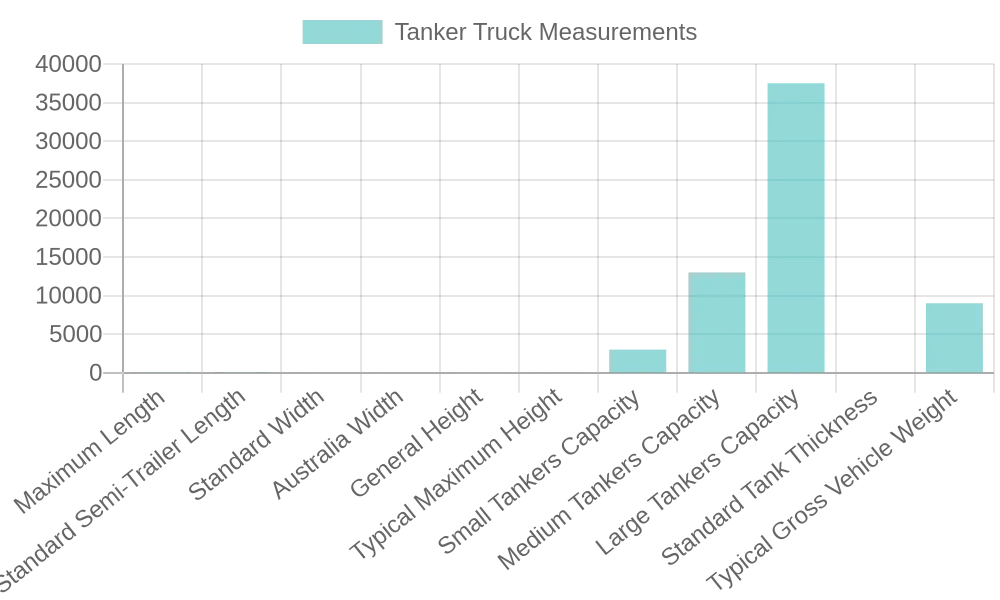
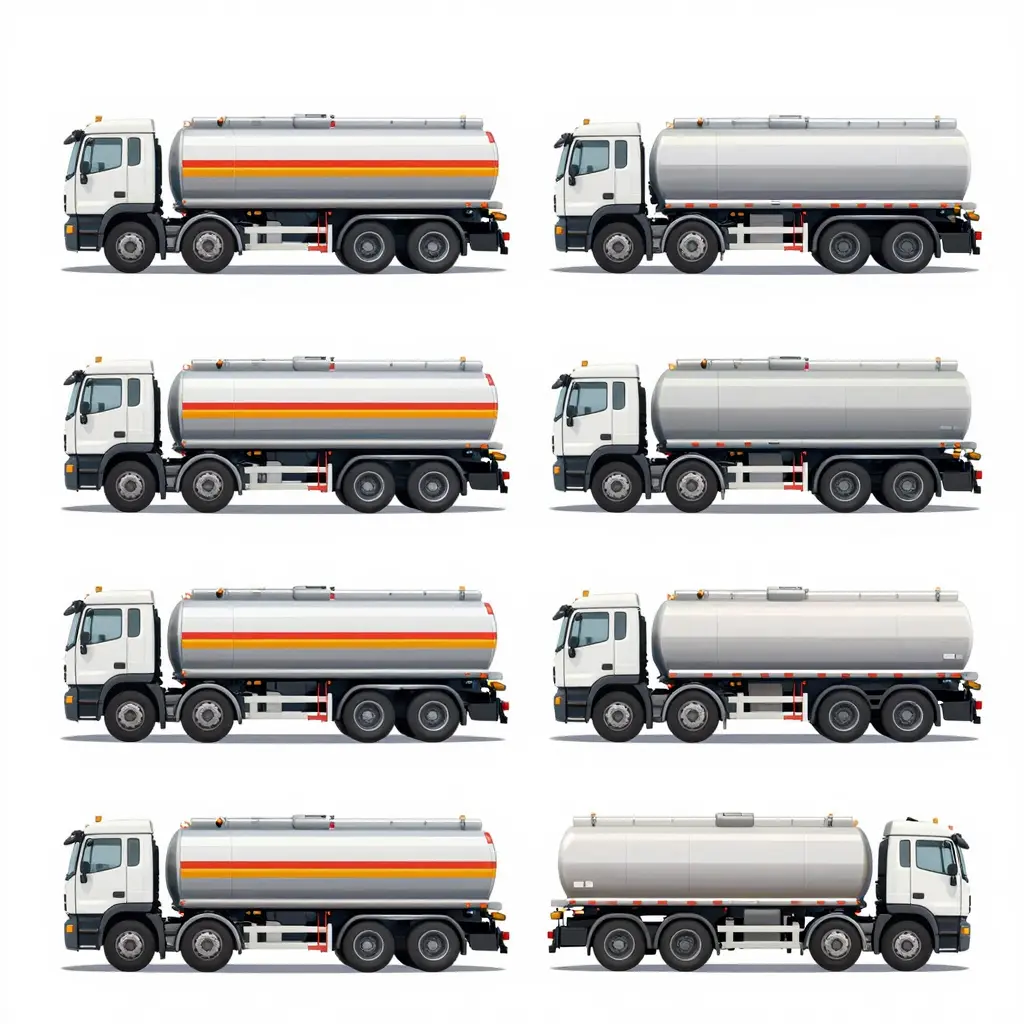
This image illustrates various dimensions of a petrol tanker truck, including height, width, and length, helping business owners understand the specifications better.
Factors Affecting Dimensions of Petrol Tanker Trucks
The dimensions of petrol tanker trucks are influenced by several key factors essential for ensuring safe and efficient transport of fuel. Understanding these factors can help business owners select the appropriate vehicle for their needs.
1. Cargo Type
The type of fuel being transported significantly impacts the tanker’s dimensions. For instance, petrol tankers must adhere to specific regulations concerning the shape and size of their tanks to ensure safe transport of flammable materials. Different fuels may have unique requirements that dictate the dimensions of the storage compartment.
2. Safety Features
Safety is paramount in the design of petrol tanker trucks. Safety features like spill containment systems, anti-lock brakes, and specialized valves to prevent leakage can alter the dimensions. Compliance with safety standards, such as those set by the Department of Transportation or international regulations, often necessitates additional features that can affect the overall size of the tank.
3. Local Regulations
Different regions impose varying regulations that govern the dimensions of petrol tankers. Local laws dictate not only the maximum size of the vehicles but also specific cargo requirements and safety standards. For instance, weight limits, tank sizes, and vehicle width may differ from one jurisdiction to another, necessitating customized designs to comply.
In summary, factors such as cargo type, safety features, and local regulations play a critical role in determining the dimensions of petrol tanker trucks. Understanding these considerations is crucial for business owners involved in fuel transport.
For more about the crucial role of dimensions in fuel tank truck operations, you can explore further.
Fuel Capacity of Petrol Tankers
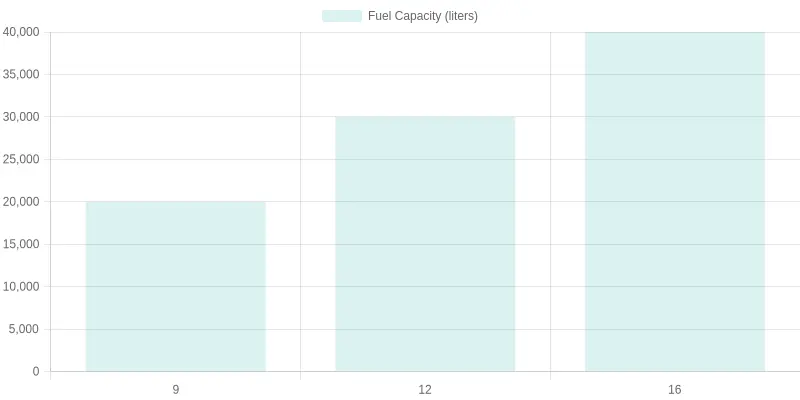
To understand the fuel capacity of petrol tankers, it’s essential to recognize the relationship between their dimensions and their ability to carry fuel. The following chart illustrates this relationship, showing how varying lengths and diameters correspond to different fuel capacities:
| Length (meters) | Diameter (meters) | Fuel Capacity (liters) |
|---|---|---|
| 9 | 2.4 | 20,000 |
| 12 | 2.5 | 30,000 |
| 16 | 2.6 | 40,000 |
For business owners considering the purchase of tanker trucks, understanding these specifications is crucial. The choice of tanker size can impact operational efficiency and insurance rates as well. Learn more about the versatility of tank trucks and how dimensions can affect your decision.
Conclusion
Understanding petrol tanker truck dimensions is of paramount importance for business owners in the transportation sector. The dimensions directly impact regulatory compliance, operational efficiency, cost management, and overall safety. By knowing the size and weight restrictions applicable in different regions, businesses can avoid hefty fines and ensure smooth operations. Properly sized trucks not only optimize routes but also help in minimizing fuel consumption and increasing payload capacity, leading to significant cost savings. Moreover, being aware of the dimensions is essential for planning safe loading and unloading procedures, thereby preventing potential accidents.
In light of these vital considerations, it is beneficial for business owners to seek guidance and support from industry experts. If you’re looking to acquire a petrol tanker truck, consider reaching out to Zoomlion for quotes and assistance. Their expertise can help ensure that you choose the right equipment tailored to your business needs. Don’t hesitate to contact them today to discuss your requirements and get valuable insights that can elevate your operations.
“Understanding the dimensions of fuel tankers is not just about fitting them into loading bays; it’s integral for ensuring regulatory compliance, optimizing logistical efficiency, and minimizing the risk of accidents. Each measurement plays a critical role in the broader picture of fuel transportation.” – Industry Expert
This quote highlights the importance of dimension comprehension in the context of transportation logistics, aligning perfectly with the topic. For further reading, you can learn more about the essential role of fuel tank trucks in business operations.