

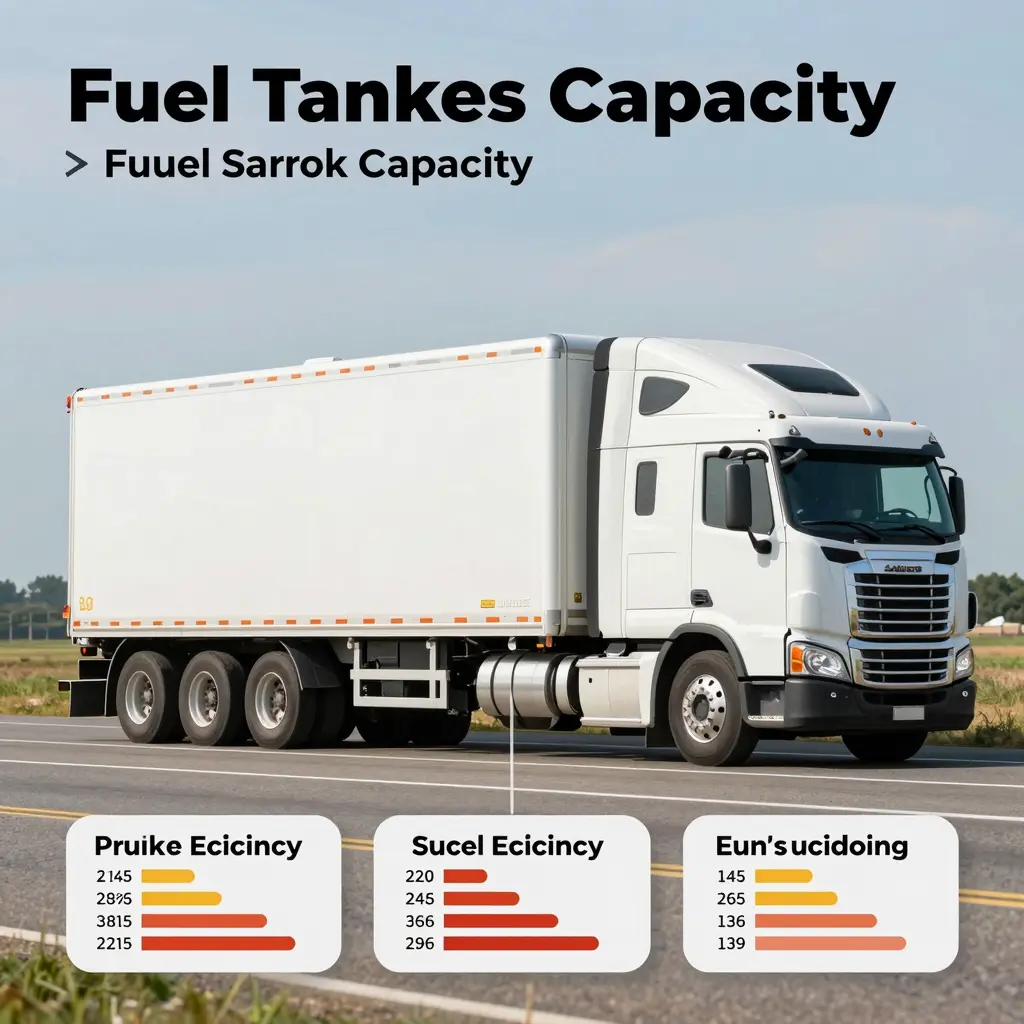
In the world of logistics, every drop of fuel counts, making the capacity of fuel tanks in semi trucks a pivotal factor for owners and operators alike. For business owners managing fleets, understanding the importance of fuel tank capacity can lead to better cost management and operational efficiency. A well-calibrated fuel tank system not only helps in extending the range of the vehicle but also minimizes the frequency of refueling, allowing for smoother operations and better scheduling of deliveries. In a climate where fuel prices are ever-fluctuating, leveraging fuel tank capacity effectively can be the difference between competitive pricing and diminished profit margins.
Moreover, optimizing fuel tank capacity can significantly enhance sustainability efforts within logistics companies. By efficiently managing fuel resources, businesses can lower their carbon footprints while simultaneously improving their bottom line. This strategic approach ensures that fuel consumption is in line with operational needs, effectively reducing waste.
A keen focus on this aspect of fleet management can also streamline the procurement process. Business owners can analyze and compare various fuel tank options, investing in those that maximize capacity without compromising safety and regulatory compliance. Furthermore, understanding the dynamics of fuel tank capacity aligns perfectly with innovative logistics solutions, ensuring business owners stay ahead in a competitive market. As we dive deeper into the specifics of fuel tank capacity in semi trucks, we’ll explore how effective management practices not only optimize costs but enhance overall operational efficiency, setting the stage for sustainable growth in the logistics sector. To discover more about effective solutions for bulk transport, learn more here and consider insights from top fuel tank manufacturers.
Average Fuel Tank Capacities of Semi Trucks
When considering semi trucks for transporting goods, fuel tank capacity is a critical factor to account for. The capacity varies significantly across different models and types, which in turn affects range, operational costs, and compliance with regional regulations.
Common Fuel Tank Capacities
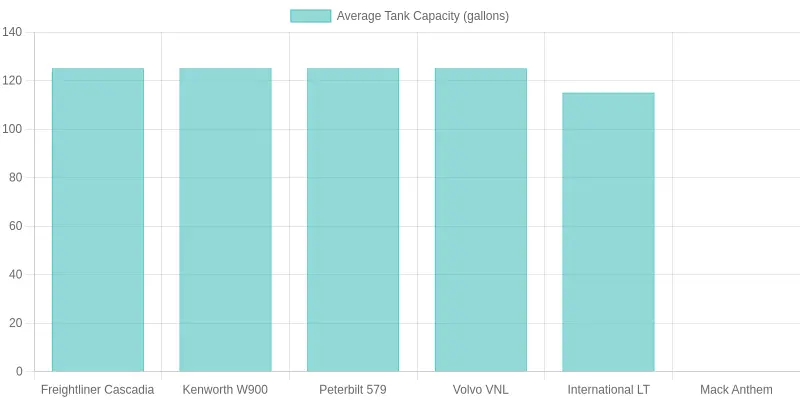
Fuel tanks on semi trucks can generally hold between 100 to 300 gallons of fuel. Here are average capacities for some popular models:
| Model | Average Tank Capacity (gallons) | Dual Tank Configuration Options (gallons) | Common Range (miles) |
|---|---|---|---|
| Freightliner Cascadia | 100 – 150 | 200 – 300 | 1,200 – 1,600 |
| Kenworth W900 | 100 – 150 | 200 – 300 | 1,200 – 1,600 |
| Peterbilt 579 | 100 – 150 | 200 – 300 | 1,200 – 1,600 |
| Volvo VNL | 100 – 150 | 200 – 300 | 1,200 – 1,600 |
| International LT | 100 – 130 | 200 – 260 | 1,000 – 1,400 |
| Mack Anthem | 100 – 150 | 200 – 300 | 1,200 – 1,600 |
This data varies from source to source, but it generally provides a good indication of what to expect from these vehicles. Notably, dual tank configurations can significantly increase the total fuel volume, thus extending the range a truck can travel before refueling.
Variations Based on Cargo and Regional Regulations
The capacity of fuel tanks is not only dependent on the model but also on the type of cargo each truck is designed to carry. Here are some points to consider:
- Weight and Load Considerations: Trucks designed for heavier loads may utilize larger fuel tanks to maximize range. Conversely, lighter trucks may have smaller tanks to reduce weight and enhance fuel efficiency.
- Regulations: Different states and countries have various weight limitations (like the bridge law in the U.S.), which can influence fuel tank sizes. In regions where payload limits are more stringent, manufacturers may design trucks with smaller tanks.
- Fuel Efficiency: As the fuel industry evolves-with more focus on eco-friendliness-truck manufacturers may tweak their designs to favor fuel efficiency over larger capacity. For instance, newer models may feature lighter materials and advanced aerodynamics.
Manufacturer Comparisons
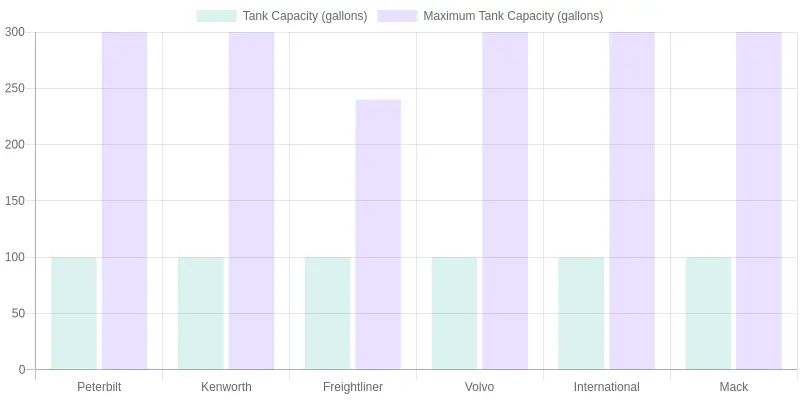
Comparing the fuel tank capacities by manufacturer can provide insights into how they cater to different needs. The following table outlines minimum and maximum capacities across several manufacturers:
| Manufacturer | Minimum Tank Capacity (gallons) | Maximum Tank Capacity (gallons) |
|---|---|---|
| Peterbilt | 100 | 300 |
| Kenworth | 100 | 300 |
| Freightliner | 100 | 240 |
| Volvo | 100 | 300 |
| International | 100 | 300 |
| Mack | 100 | 300 |
These capacities impact the truck’s range, especially for long-haul operations. For instance, a truck with a 300-gallon capacity could drive significantly farther without needing to refuel compared to one with a 100-gallon capacity.
Conclusion
Understanding the average fuel tank capacities of semi trucks and how they vary can help business owners make informed choices regarding their fleet. Factors such as type of cargo, regional regulations, and manufacturer specifications should also be taken into account. By considering these elements, businesses can optimize their logistics to save on fuel costs and improve overall efficiency.
For further insights on the versatility of tank trucks, learn more about bulk liquid transportation solutions.
Fuel Tank Capacities of Popular Semi Truck Models
Understanding the fuel tank capacities of semi-trucks is crucial for business owners looking to maximize efficiency on the road. Below is a table that compares the fuel capacities of various popular semi-truck models:
| Truck Model | Fuel Tank Capacity (Gallons) |
|---|---|
| Freightliner Cascadia | 280 |
| Kenworth T680 | 150 to 200 |
| Peterbilt 579 | 150 to 300 |
| Volvo VNL | 120 to 150 |
| Mack Anthem | 150 to 300 |
Most of these trucks offer configurations that allow for dual tanks, which can further extend the total capacity, typically up to 300 gallons, making them suitable for long hauls without frequent refueling. For a reliable solution for bulk liquid transportation, learn more about tank trucks.
Additionally, you can explore the top 5 truck fuel tank manufacturers for better insights into which brand might meet your company’s needs.
The Impact of Fuel Efficiency in Semi Trucks
Fuel efficiency plays a crucial role in the operations of semi trucks, particularly for business owners looking to enhance their bottom lines. As fuel prices remain volatile, understanding the link between fuel tank capacity, fuel efficiency, and operational costs becomes increasingly important.
Fuel Tank Capacity and Its Relationship with Fuel Efficiency
While fuel tank capacity is essential for determining how far a truck can travel before refueling, it isn’t the sole factor influencing fuel efficiency. A larger fuel tank allows for longer trips without stops, but it also adds extra weight to a truck. This extra weight can negatively impact overall fuel efficiency. For business owners, striking the right balance between tank size and weight is key to optimizing fuel consumption.
It’s worth noting that trucks with moderate-sized fuel tanks (typically between 100 to 150 gallons) combined with good aerodynamics can often outperform those with exceedingly large tanks. Efficient engine management systems in modern semi trucks also contribute to better fuel economy, regardless of tank size.
Why Fuel Efficiency Matters
-
Cost Savings: Fuel is one of the largest expenses for trucking companies. Improving fuel efficiency by even a few percent can translate to significant savings over time. For instance, a fleet of 10 trucks achieving a fuel efficiency improvement of 1 mile per gallon can save thousands of dollars each year.
-
Environmental Impact: With growing emphasis on sustainability, better fuel efficiency reduces greenhouse gas emissions. This is increasingly important for compliance with regulations and for companies looking to enhance their brand image.
-
Operational Efficiency: Efficient fuel consumption enables more effective route planning. By reducing the frequency of refueling stops, trucks can maximize productivity and improve service delivery.
-
Driver Incentives: Many companies have started implementing incentive programs for drivers who maintain efficient driving habits that contribute to fuel savings, thus fostering a more eco-conscious work culture.
Tips for Business Owners to Improve Fuel Consumption in Semi Trucks
To help boost fuel efficiency, here are several actionable tips:
-
Regular Maintenance: Ensure trucks are kept in top condition. Simple actions like regular maintenance checks on engines, oil changes, and ensuring proper tire inflation can significantly enhance fuel economy. A well-maintained truck runs more efficiently and uses less fuel.
-
Driver Training: Invest in training that teaches drivers fuel-efficient driving practices. Simple changes such as avoiding aggressive acceleration, maintaining steady speeds, and minimizing idle time can lead to substantial fuel savings.
-
Route Optimization: Utilize technology, like GPS systems and route planning software, to find the most efficient routes for deliveries. Avoiding congested areas and planning for foreseeable traffic can improve fuel efficiency.
-
Use of Additives: Research and select fuel additives that can improve fuel efficiency. Some additives claim to clean the fuel system and improve combustion efficiency, leading to better fuel economy.
-
Weight Management: Evaluate cargo loads for any unnecessary excess weight. Minimizing the weight of goods transported can lead to improved fuel efficiency, as heavier loads require more energy to haul.
-
Aerodynamic Modifications: Consider investing in aerodynamic add-ons for trucks, such as side skirts and roof fairings, which help reduce drag and improve fuel efficiency on long hauls.
By focusing on these strategies, business owners can not only reduce fuel costs but also contribute positively to environmental sustainability. For further insights into advancements in semi trucks, check out this article on tank truck solutions for bulk liquid transportation. As regulations evolve, staying informed and proactive in improving fuel efficiency will continue to benefit trucking operations significantly.
Industry Standards for Fuel Tank Capacity in Semi Trucks
Regulatory Framework
The fuel tank capacity regulations for semi trucks are primarily governed by federal and state laws, which vary across regions. Key regulatory organizations include:
- Federal Motor Carrier Safety Administration (FMCSA): Oversees regulations for vehicle operation and safety.
- Environmental Protection Agency (EPA): Regulates emissions from trucks, which can indirectly affect fuel tank designs.
Common Standards
- Maximum Fuel Tank Size:
- The FMCSA typically does not impose a specific maximum fuel tank size; however, trucks must comply with the Gross Vehicle Weight Rating (GVWR). The GVWR dictates the total weight a vehicle can carry, which can influence the fuel tank size.
- Height and Width Standards:
- Fuel tanks must comply with height and width standards to fit within safe operational limits and to avoid interference with other vehicles on the road.
- Safety Standards:
- Fuel tanks must be designed to prevent leaks and withstand impacts, adhering to safety standards to protect public health and the environment.
- Environmental Regulations:
- As emissions regulations tighten, businesses may need to invest in more advanced fuel systems or tank designs that minimize environmental impact.
Impact on Business Decisions
Strategic Planning:
-
Operational Efficiency: Large fuel tanks enable longer hauls and fewer refueling stops, which is beneficial for logistics planning. However, if a truck approaches its GVWR, it could limit payload capacity.
-
Cost Management: Fuel costs are a significant portion of operating expenses. Businesses must consider fuel efficiency alongside tank capacity.
Fleet Selection:
-
Choosing Trucks: Businesses will consider how fuel tank size affects operational costs, including fuel efficiency ratings, which directly influence fleet fuel expenses.
-
Maintenance Costs: Larger fuel tanks might require more rigorous maintenance routines to prevent leaks and ensure compliance with environmental standards.
Regulatory Compliance:
- Staying Informed: Trucking companies must be aware of evolving regulations regarding tank safety and environmental concerns. Failure to comply can result in costly fines and legal issues.
Market Competition:
- Adapting to Trends: Companies that can maximize efficiency with compliant fuel tank sizes are often able to offer more competitive rates in transportation costs.
Conclusion
In summary, while specific regulations on fuel tank capacity for semi trucks can vary, understanding the broader regulatory framework and its implications is vital for business owners. By carefully considering fuel tank sizes in fleet choice, companies can enhance operational efficiency, reduce costs, and maintain compliance with safety and environmental standards. For more insights on tank trucks and their applications, you can learn more here.
If you need further specifics or a deeper dive into associated topics, feel free to ask!
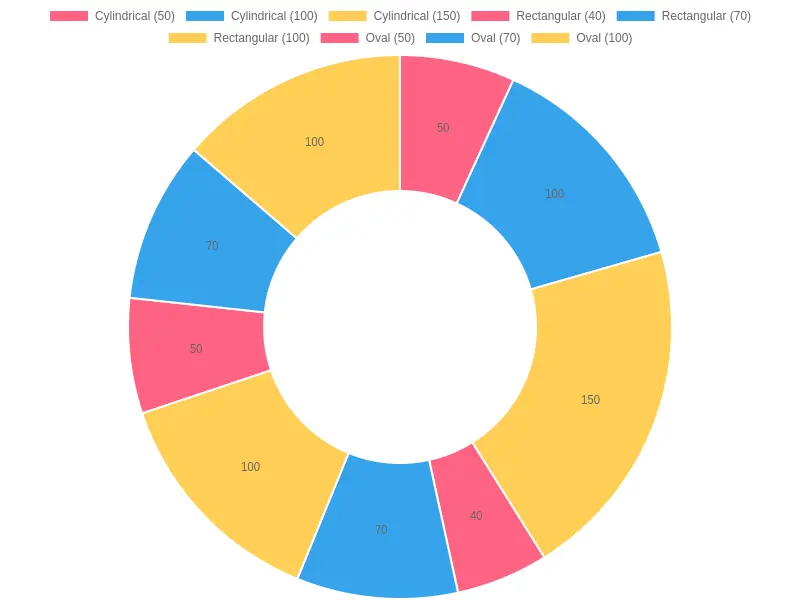
This image illustrates various shapes and sizes of fuel tanks commonly used in semi trucks, helping business owners visualize options for fuel storage.
For a deeper understanding of these tanks, learn more about fuel tank capacities and their versatility in transportation.
Get additional insights on selecting the right tank for your needs by visiting our detailed post about the diverse solutions offered by tank trucks.
Major Factors Affecting Fuel Tank Selection for Semi Trucks
-
Tank Size and Capacity:
Choose a tank size based on the specific needs of your trucking operation.
Larger capacity tanks can reduce the number of fuel stops during long hauls, enhancing efficiency.
Consider the average distance of trips and fuel consumption to identify optimal capacity. -
Material Composition:
Tanks can be made from materials like aluminum or steel.
Aluminum tanks are lighter, which can positively affect fuel efficiency, while steel tanks are typically more durable but heavier.
Consider your operating environment; for instance, areas with rough terrains may benefit from more robust materials. -
Placement and Configuration:
The placement of the fuel tank affects the truck’s weight distribution and overall handling.
Proper placement can enhance stability and prevent potential hazards associated with misplaced weight. -
System Compatibility:
Ensure the tank is compatible with the specific make and model of your semi truck.
Different engines may have unique fuel requirements, and compatibility can prevent performance issues. -
Regulatory Compliance:
Be aware of local, federal, and environmental regulations regarding fuel storage and safety standards.
Compliance is not only a legal obligation but also crucial for operational continuity. -
Weight Considerations:
The weight of the fuel tank can significantly impact the semi truck’s payload capacity.
Lighter tanks might provide better fuel economy by allowing for a higher payload. -
Weather Resistance:
Consider the environmental conditions where your trucks will operate.
Tanks that resist corrosion and withstand extreme temperatures can significantly prolong lifespan and reduce maintenance costs. -
Fuel Type:
Understand the type of fuel you will be using (diesel, bio-diesel, etc.) and choose a tank that is designed for that specific fuel type. -
Cost and Budget:
Evaluate the cost of the tank in relation to your budget and the potential return on investment through efficiency savings.
Don’t overlook potential long-term costs, such as maintenance and durability.
For further insights on fuel tank solutions, visit our article about the advantages of tank trucks or check out the top 5 truck fuel tank manufacturers.
By carefully evaluating these factors, business owners can make an informed decision on the most suitable fuel tank for their semi trucks, enhancing efficiency and compliance in their operations.
Final Thoughts
Selecting the right fuel tank is a crucial decision for optimizing your trucking operations. Consider each of these factors thoroughly to ensure you select a fuel tank that meets your needs effectively and efficiently.
Maintaining and operating fuel tanks in semi trucks presents significant responsibilities for business owners and operators. The safety considerations surrounding fuel tanks are critical, not only for the protection of personnel and property but also for compliance with federal and state regulations. This section highlights essential safety precautions and regulatory standards that must be adhered to for effective fuel tank management.
Importance of Safety Standards
Fuel tank maintenance plays a crucial role in the overall safety of trucking operations. Semi trucks often transport hazardous materials, making it vital to follow safety regulations to prevent accidents, spills, and explosions. The Occupational Safety and Health Administration (OSHA) and the Environmental Protection Agency (EPA) have established guidelines that ensure safe handling, storage, and transportation of fuel. Adhering to these standards is not just a legal requirement, but also a moral obligation to safeguard employees, the environment, and the community.
Key Safety Precautions
- Regular Inspections and Maintenance
- Visual Checks: Conduct routine visual inspections for leaks, corrosion, or physical damage to the fuel tank and associated components.
- Scheduled Maintenance: Implement a routine maintenance schedule, including checks of fuel lines, pumps, and gauges. This practice helps in early identification of potential issues.
- Proper Training for Employees
- Safety Training: Ensure that all personnel involved in the fueling process are adequately trained to follow safety protocols. This includes procedures for using gas pumps, switching valves, and handling spills.
- Emergency Response Plans: Train employees on what to do in case of a fuel leak or fire. This should include evacuation routes, use of fire extinguishers, and reporting procedures.
- Use of Personal Protective Equipment (PPE)
- Encourage the use of appropriate PPE such as gloves, goggles, and protective clothing when handling fuel to prevent exposure to harmful substances.
- Adherence to Loading and Unloading Protocols
- Create and enforce strict loading and unloading protocols to minimize risks during these procedures. Ensure that trucks are parked on level ground, and fuel is dispensed slowly to avoid splashing.
- Spill Prevention Measures
- Secondary Containment Systems: Install proper containment systems to prevent fuel spills from escaping into the environment. This can include bunding or drip pans beneath fuel tanks.
- Spill Kits: Keep spill kits readily available and ensure that employees know how to use them in case of an emergency.
- Environmental Monitoring
- Regularly assess the environmental impact of fuel maintenance activities. Ensure that all operations comply with environmental regulations to limit soil and water contaminants.
Regulatory Compliance
Operating any equipment involves adhering to strict regulations. The following are critical regulations pertaining to fuel tanks that semi-truck operators must comply with:
-
EPA Regulations: The EPA regulates the handling, storage, and disposal of fuel to minimize pollution and promote environmental safety. Operators should familiarize themselves with these regulations and adjust their procedures accordingly.
-
DOT Regulations: The Department of Transportation (DOT) enforces safety standards for transporting hazardous materials. These regulations cover cargo securing, transportation routes, and incident reporting.
-
OSHA Safety Standards: OSHA outlines specific workplace safety rules that must be followed when dealing with flammable substances and heavy equipment. Ensure all employees are aware of these regulations and understand the implications of non-compliance.
Conclusion
Fuel tank maintenance and operation in semi trucks entail serious safety considerations that must be taken into account to protect employees, the environment, and property. By implementing robust safety measures and adhering to regulatory standards, business owners can minimize risks and ensure that their operations comply with legal requirements. Failure to prioritize these safety practices not only jeopardizes the business but can also lead to catastrophic accidents and significant legal repercussions.
For more insights on trucking safety and reliability, you can learn more about tank trucks as a versatile solution for bulk liquid transportation and explore the top truck fuel tank manufacturers.
Given these insights, it is essential for business owners to regularly review and update their safety practices to align with current standards, ensuring a safe working environment for all involved.
Trends in Fuel Prices Over the Past Decade
Understanding fluctuations in fuel prices is critical for businesses that rely on fuel for their operations, especially those operating semi trucks. Over the past decade, fuel prices have experienced significant ups and downs, which can affect decisions around fuel tank capacity.
Average Fuel Prices
The following line chart illustrates the average fuel prices from 2013 to 2023:
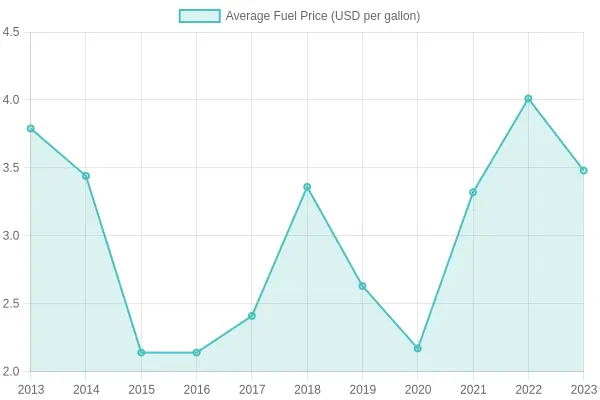
| Year | Average Fuel Price (USD per gallon) | Notes |
|---|---|---|
| 2013 | 3.79 | Relatively stable year |
| 2014 | 3.44 | Prices dropped by 9% |
| 2015 | 2.14 | Sharp decline in oil prices |
| 2016 | 2.14 | Consistent with 2015 |
| 2017 | 2.41 | Gradual recovery begins |
| 2018 | 3.36 | Significant increase |
| 2019 | 2.63 | Slight decrease |
| 2020 | 2.17 | Pandemic impact |
| 2021 | 3.32 | Prices rising sharply |
| 2022 | 4.01 | Highest price in a decade |
| 2023 | 3.48 | Fluctuations noted |
These trends can have direct implications for business owners, as higher fuel prices can necessitate larger fuel tank capacities to reduce the frequency of refueling. Conversely, lower prices might allow for more flexibility in tank size.
For more informative articles about fuel tank considerations, you can learn more about tank trucks.
In conclusion, understanding the fuel tank capacities of semi trucks is vital for trucking businesses aiming to optimize their operational efficiency and cost management. Fuel tanks on semi trucks typically range from 100 to 300 gallons, depending on the design and intended use. For instance, long-haul trucks often feature larger tanks to minimize refueling stops, allowing for uninterrupted delivery schedules, while regional trucks might have smaller tank capacities tailored to their routes.
Additionally, larger fuel tanks not only facilitate bulk fuel purchasing, enabling companies to save on fuel costs during price dips, but they also contribute to enhanced route optimization. By allowing trucks to carry a greater payload over extended distances without frequent stops, these capacities directly impact profitability and efficiency in logistics planning. These factors make it crucial for business owners to assess their specific needs when selecting the right fuel tank capacity for their fleet.
For more tailored insights about how fuel tank capacities can influence your trucking operations, we encourage you to contact us. Our team at Tanker Vehicles is here to provide expert guidance and support you in making informed decisions that can enhance your business’s productivity and profitability. Don’t hesitate to reach out for more information!