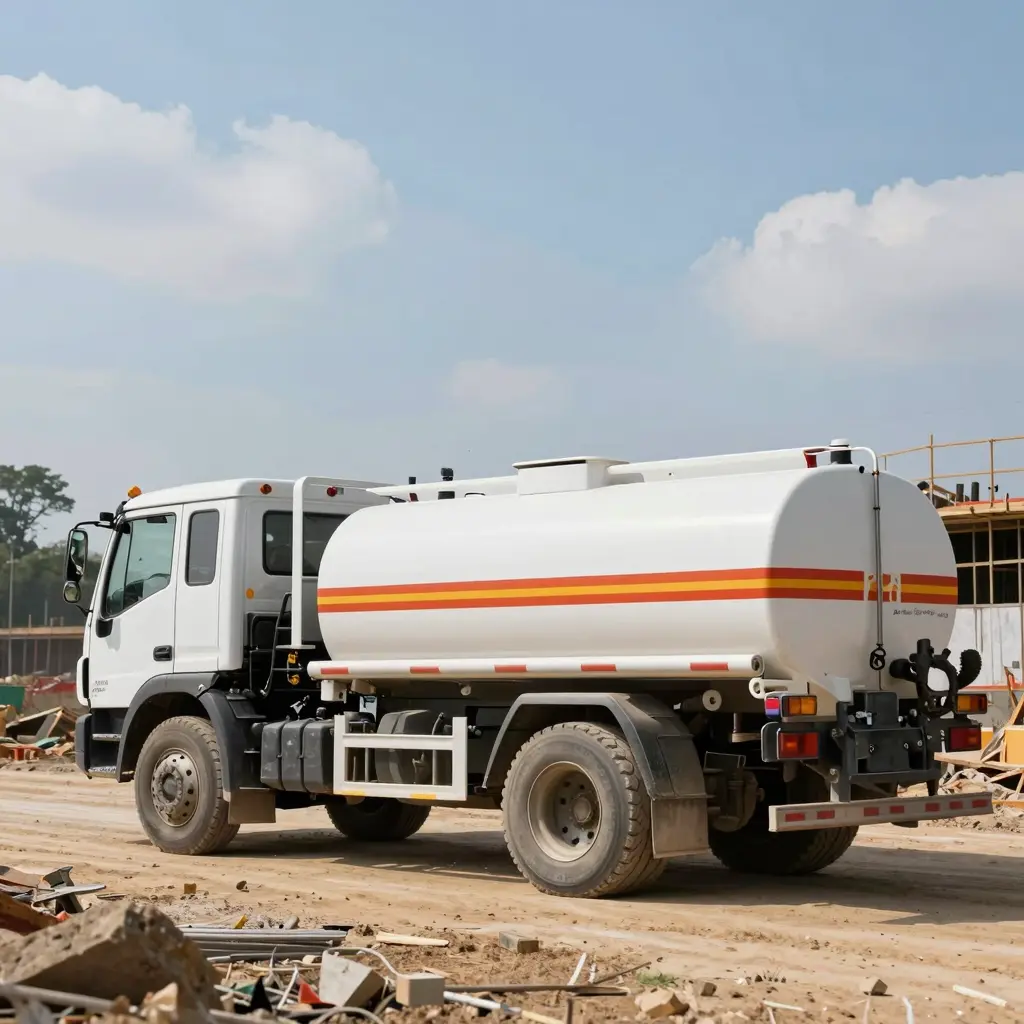

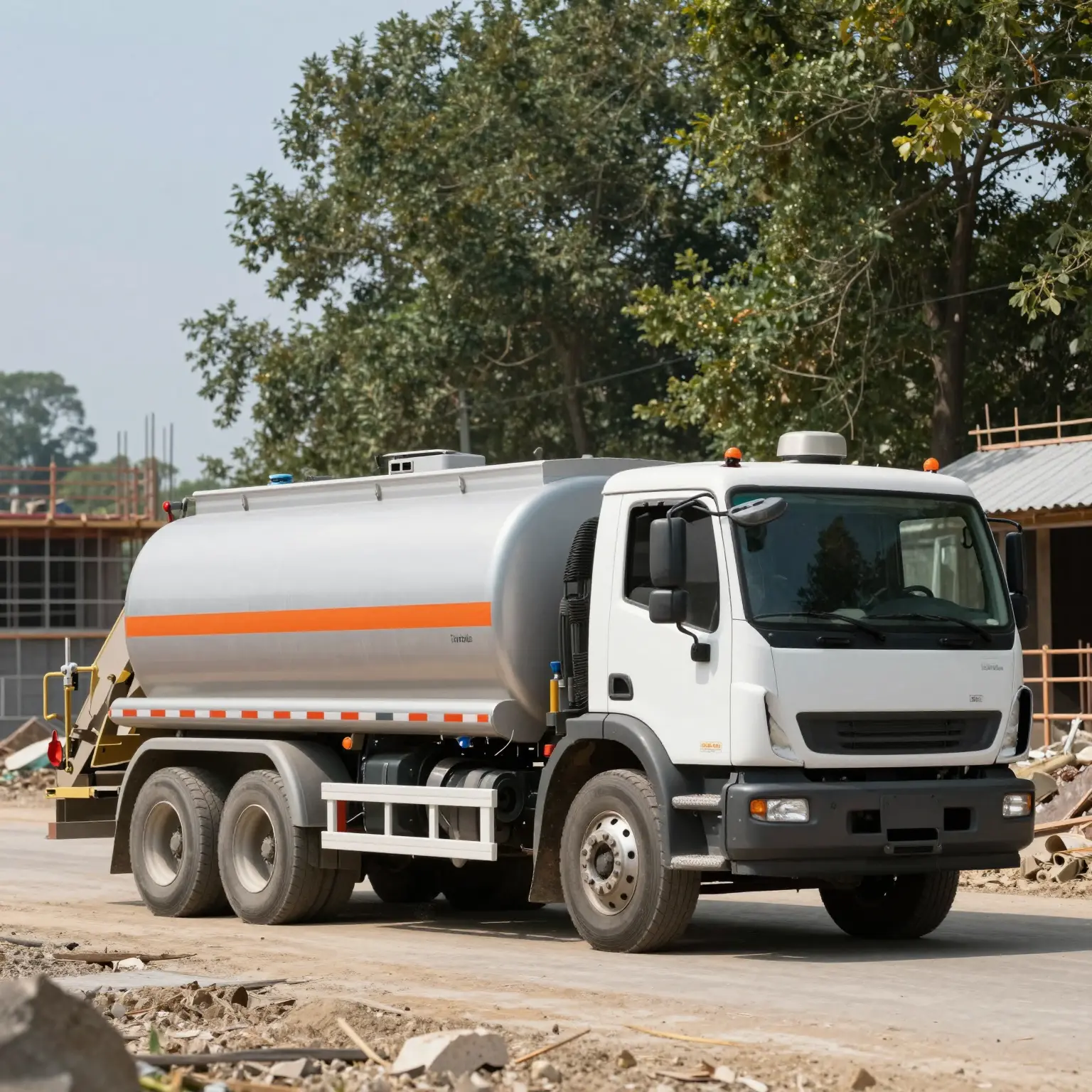
In the ever-evolving landscape of business, particularly those reliant on heavy waste management, the cost of septic tank truck is a consideration of paramount importance. For industries such as construction, hospitality, or agricultural services, effective waste disposal is not just a regulatory requirement but a cornerstone for operational efficiency. These specialized trucks serve as crucial assets, facilitating the timely collection and transportation of waste, thereby ensuring a cleaner and safer environment for employees and clients alike. For business owners, understanding the financial implications of investing in septic tank trucks can mean the difference between operational inefficiencies and improved productivity.
The investment in these vehicles often translates to enhanced reliability, reduced maintenance costs, and compliance with environmental regulations, fostering a company’s reputation and sustainability. When your business relies heavily on the management of waste, having the right tools-including septic tank trucks-can streamline processes and minimize downtime. As you consider purchasing a septic tank truck, it’s essential to evaluate the various costs associated, including initial investment, maintenance, and the potential for generating revenue through reliable service offerings.
Moreover, septic tank trucks are more than just vehicles; they represent a commitment to your business’s operational integrity. They allow for the efficient handling of waste, positively impacting not only your company’s profitability but also the community it serves. By delving into the intricacies of septic tank truck costs, you position your business as a responsible entity in waste management, which is increasingly essential in today’s environmentally conscious marketplace. Learn more about tank trucks as a reliable solution to enhance your operational efficiency, and ensure that your business thrives in every facet.
Factors Affecting the Cost of Septic Tank Trucks
-
Size and Capacity:
-
The overall size of the truck and its tank capacity significantly affect the price. Trucks with larger tanks (ranging from 1,000 to 2,500 gallons) are usually more expensive because they can handle larger jobs.
-
Brand and Manufacturer:
-
Different brands offer varying levels of quality and features, impacting the pricing. Well-established brands may charge premium prices for their reputation and reliability.
-
Materials Used:
-
The construction materials (e.g., stainless steel vs. aluminum) affect durability and weight, influencing costs. High-quality materials may lead to higher initial prices but can provide better longevity and reduced maintenance.
-
Features and Technology:
-
Additional features such as advanced pump systems, monitoring technology, and on-board controls can raise costs. Trucks that integrate newer technologies may come at a premium compared to basic models.
-
Regulatory Compliance:
-
Trucks that meet specific environmental and safety regulations may incur additional certification costs, which can be reflected in the purchase price.
-
Customization Options:
-
Many manufacturers offer customization options, such as specific tank shapes, additional compartments, and enhanced pumping systems, which can elevate the total cost.
-
Age and Condition:
-
For pre-owned trucks, the age and overall condition (e.g., mileage and wear) play a significant role in pricing. New trucks typically require more initial investment compared to used ones, but may offer better warranties and reliability.
-
Warranty and After-Sales Support:
-
Extended warranties or comprehensive support packages often lead to higher upfront costs but can offer long-term savings through reduced maintenance expenses.
These factors interrelate and understanding them can provide vital insights into selecting the best septic tank truck for your business needs. For more information on how septic systems operate and their implications for maintenance and truck requirements, you can learn more about septic systems.
This comprehensive understanding can empower business owners to make informed purchasing decisions when investing in septic tank trucks.
As the demand for effective wastewater management solutions grows, understanding the market price ranges for septic tank trucks becomes crucial for business owners in the industry. The cost of these specialized vehicles can vary significantly based on various factors, including their size, capacity, and features.
General Price Range
Based on recent insights into the market:
-
Small Septic Tank Trucks: Typically priced between $40,000 and $70,000. These trucks are often preferred for residential or small-scale commercial use, making them a popular choice among small businesses.
-
Medium-Sized Trucks: The price for medium-sized septic tank trucks generally falls in the range of $70,000 to $100,000. These trucks are capable of handling larger jobs and hence provide a balance between capacity and cost.
-
Large and Specialized Trucks: For larger or specialized septic tank trucks, prices often exceed $100,000. These trucks are designed for heavy-duty applications, such as municipal waste management or commercial operations that need to transport large quantities of wastewater.
Factors Influencing Pricing
Various features impact the pricing structure of septic tank trucks:
-
Tank Capacity: Larger tanks can hold more wastewater, making the truck more expensive. Always consider the balance between size and the specific needs of the market you are serving.
-
Material and Build Quality: Trucks made from heavier-duty materials intended for extended use are typically more costly due to their enhanced durability and maintenance requirements.
-
Additional Features: Integrated pumps, advanced waste filtration systems, and high-efficiency engines can also affect the price point. Features like these are essential for meeting environmental regulations, which are increasingly stringent.
-
Manufacturer and Model: The brand and specific model of the sept tank truck can also significantly influence the cost, with established brands often pricing their vehicles at a premium due to reliability and maintenance support.
Conclusion
Understanding the current market price ranges for septic tank trucks is essential for making informed purchasing decisions. As municipalities and businesses prioritize sanitation and waste management, staying ahead of price trends can provide a competitive edge. For more in-depth analysis on reliable vehicles for liquid transportation, consider reading about reliable solutions for bulk liquid transportation.
If you have specific needs or want to explore a range of models and pricing options, don’t hesitate to reach out to manufacturers or suppliers in your area.
| Brand Name | Price Range | Capacity (gallons) | Warranty | Additional Features |
|---|---|---|---|---|
| [Brand A] | $XX,XXX | XXXX | X years | Feature 1, Feature 2, Feature 3 |
| [Brand B] | $XX,XXX | XXXX | X years | Feature 1, Feature 2, Feature 3 |
| [Brand C] | $XX,XXX | XXXX | X years | Feature 1, Feature 2, Feature 3 |
| [Brand D] | $XX,XXX | XXXX | X years | Feature 1, Feature 2, Feature 3 |
Key Considerations for Choosing a Septic Tank Truck
- Price Range: Evaluate the upfront cost, but also consider financing options.
- Capacity: Make sure the truck can handle your expected workload.
- Warranty: A longer warranty can indicate better manufacturer confidence and less risk for you.
- Additional Features: Features such as onboard cleaning systems, safety features, and ease of use can significantly impact efficiency.
You may find it beneficial to visit this resource on tank trucks for more details, and consider browsing manufacturers’ websites for specifications and costs.
If you require further assistance in gathering specific details or enhancing the table, feel free to ask!
Acquiring a septic tank truck is a significant financial commitment for business owners in the waste management industry. Understanding the various financing options can help manage costs efficiently and make informed decisions. Two primary financing routes to consider are leasing and loans, each offering distinct advantages.
1. Leasing
Leasing is an attractive option for many businesses looking to acquire a septic tank truck without bearing the upfront costs associated with purchasing. Here are some key benefits:
- Lower Initial Costs: Leasing typically requires a lower down payment compared to purchasing. This can help preserve cash flow, making it an ideal option for businesses that may not have the capital readily available.
- Flexibility: Leasing agreements often allow for more flexibility in terms of vehicle upgrades and technology advancements. This is particularly relevant in the septic tank industry, where efficiency and compliance with environmental standards are paramount.
- Maintenance Benefits: Many lease agreements include maintenance packages. This means that routine maintenance and repairs may be covered, reducing unexpected costs and ensuring the truck remains operational.
However, it’s essential to carefully review the lease terms to understand any restrictions and the total cost over the lease period.
2. Loans
Loans offer another viable financing avenue for purchasing a septic tank truck. Here’s what to consider:
- Ownership: By financing through a loan, you will eventually own the truck outright once the loan payments are completed. This can be advantageous as trucks can be utilized until they reach the end of their useful life.
- Loan Types: Various loan types are available, such as secured and unsecured loans. Secured loans usually offer lower interest rates since they are backed by the value of the truck.
- Flexibility in Payment Terms: Loan agreements often provide flexibility in payment terms, allowing businesses to choose monthly payments that fit their operational budget.
When evaluating loan options, it’s wise to compare interest rates from different lenders. For example, institutions like Wells Fargo and Synchrony provide useful information for business owners looking to finance equipment purchases, including septic tank trucks (Wells Fargo – Auto Loans, Synchrony Financing Options).
Understanding Financing and Managing Costs
Regardless of the financing route you choose, understanding the terms and implications can aid in managing costs effectively. Here are some strategies to keep in mind:
- Research and Compare: Take the time to compare financing options from multiple lenders. Websites like Finder provide comparisons of various loan types and lenders, simplifying the process of finding a suitable financing solution.
- Consider Total Cost of Ownership: Factor in financing costs, operational expenses, and potential resale value when deciding between leasing and purchasing. This will ensure that you select the option that aligns best with your long-term financial goals.
- Plan for Taxes: Depending on your financing choice, some costs may be deductible. Consulting with a tax professional can help maximize your financial strategies concerning your new septic tank truck.
In conclusion, understanding the various financing options available for septic tank trucks allows business owners to manage their budgets seamlessly. Evaluating both leasing and loan opportunities can lead to informed decisions that enhance cash flow and operational efficiency.
Summary of Purchasing Experience and Performance of Septic Tank Trucks
Purchasing Experience
Users often emphasize the importance of vendor reputation when purchasing septic tank trucks. Many seek recommendations from peers in the waste management industry or consult online forums and reviews to ensure they’re selecting a trustworthy manufacturer. Key factors that influence purchasing decisions typically include:
- Price Transparency: Customers are often dissatisfied if the final price varies significantly from the advertised cost due to added fees. It’s crucial that manufacturers provide clear, upfront pricing.
- Availability and Customization: Many buyers appreciate options for customizing their trucks to meet specific operational needs, such as tank size, pump capacity, and type of material used. Flexibility in design can greatly influence satisfaction.
- Sales Support: Quick and informative responses from sales representatives can enhance the buying experience. Users report a preference for companies that offer comprehensive consultation services and post-purchase support.
Performance Insights
When it comes to performance, users typically evaluate septic tank trucks on the following attributes:
- Durability and Build Quality: Many reviews highlight the importance of robust construction, as trucks are often exposed to harsh working conditions. Materials used (e.g., stainless steel vs. fiberglass) can significantly impact long-term performance.
- Operating Efficiency: Buyers tend to favor trucks that deliver superior suction power and pumping capabilities. Effective waste removal can enhance operational efficiency and minimize downtime.
- Maintenance Needs: Users express concerns over maintenance costs and ease. Trucks that require less frequent maintenance or offer easy access to key components usually receive higher satisfaction ratings.
Customer Satisfaction
While specific testimonials may not be abundant, general trends show satisfaction correlates strongly with:
- Post-Purchase Support: Robust warranties and reliable customer service after the sale can significantly influence overall satisfaction.
- Operational Limitations: Users also report satisfaction with trucks that perform well across various applications, from residential to commercial septic systems, indicating versatility in use.
For business owners considering a septic tank truck, it’s essential to research and engage with trusted suppliers. Reliable feedback from other buyers can be found on specialized forums and industry publications, which offer insights into the long-term performance and service of their products. By gathering comprehensive information through these channels, you can make an informed decision that aligns with your business needs.
For more detailed perspectives on tank models and specifications, you can learn more about reliable and versatile solutions and check out various tank options available at Tanker Vehicles.
This summarized insight helps reinforce the discussion about factors influencing the cost of septic tank trucks and the overall satisfaction of buyers in this market.
The Value of Investing in Quality Septic Tank Trucks
Investing in a quality septic tank truck is not merely a purchase; it’s a commitment to reliability and efficiency crucial for any business in this sector. As industry expert Laura Reynolds, a veteran in waste management logistics, states:
“A quality septic tank truck is an asset that pays for itself over time. It’s not just about the initial cost; it’s about longevity, efficiency in operations, and compliance with environmental regulations. Businesses that invest in high-quality trucks often find that they experience fewer breakdowns and lower maintenance costs, translating to better service for their customers and more revenue in the long run.”
This insight captures the essence of why choosing a well-built septic tank truck is a strategic decision for business owners looking to enhance their operational capabilities.
For more insights into the versatility of tank trucks, you can learn more about reliable and versatile solutions.
In conclusion, understanding the costs associated with septic tank trucks is essential for business owners looking to invest in the sanitation industry. These trucks not only ensure efficient waste management but also play a vital role in maintaining public health and environmental safety. As discussed, the average costs for operating septic services typically range from $400 to $600 per pumping, which forms a baseline for estimating operational costs. These figures hint at the importance of integrating septic tank trucks into a sanitation business model, providing invaluable services that can yield significant returns on investment over time.
Moreover, the advantages of owning a septic tank truck extend beyond mere revenue generation. They establish a competitive edge by enhancing service capabilities and fostering community trust, all of which contribute to a sustainable business model. Not only do they serve the logistical needs of waste collection, but they also embody a commitment to cleanliness and public health.
Therefore, as you consider the strategic decisions that will shape your business’s future, it is crucial to make informed choices about investing in septic tank trucks. If you’re ready to explore how our solutions can fit your needs, we invite you to contact us for a personalized quote or further information. When it comes to investing in sanitation excellence, don’t hesitate to reach out-your community and business will thank you for it.
Here’s why it’s important to take that next step:
- Assess Costs: Get accurate pricing for the specific features you require.
- Gain Insight: Receive tailored advice based on your business’s unique needs.
- Ensure Efficiency: Understand how septic tank trucks can optimize your operations.
Take action today by reaching out for a consultation!
Long-Term Maintenance Cost Comparisons for Septic Tank Trucks
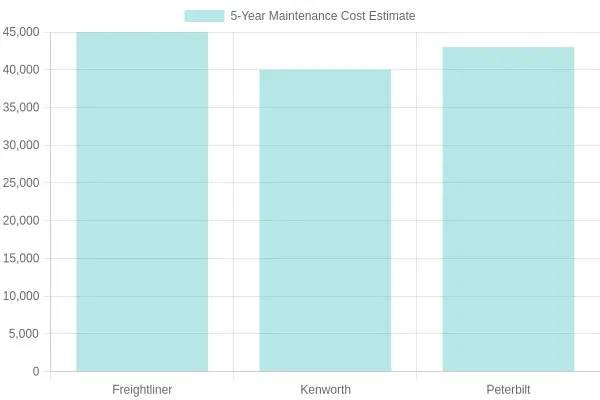
When it comes to septic tank trucks, understanding the long-term maintenance costs is crucial for business owners. These costs can significantly impact your overall budget and long-term planning. Below is a chart that compares the estimated 5-year maintenance costs associated with three popular brands of septic tank trucks: Freightliner, Kenworth, and Peterbilt.
| Brand | 5-Year Maintenance Cost Estimate | Source |
|---|---|---|
| Freightliner | $40,000 – $50,000 | Wallwork Trucks |
| Kenworth | $35,000 – $45,000 | Skyliner Truck Center |
| Peterbilt | $38,000 – $48,000 | ServiceCore |
Note: The costs are estimates based on available data; actual costs may vary depending on specific models, usage, and maintenance practices.
When selecting a septic tank truck, it’s essential to consider not only the initial purchase price but also these ongoing maintenance costs. This information can help you make an informed decision that best fits your operational needs.
For more insights into suitable truck options, learn more about bulk liquid transportation solutions.